An Intellectual and Musical Revolution (Overview)
Musical Innovation: From Infinite Track to N.EX.T
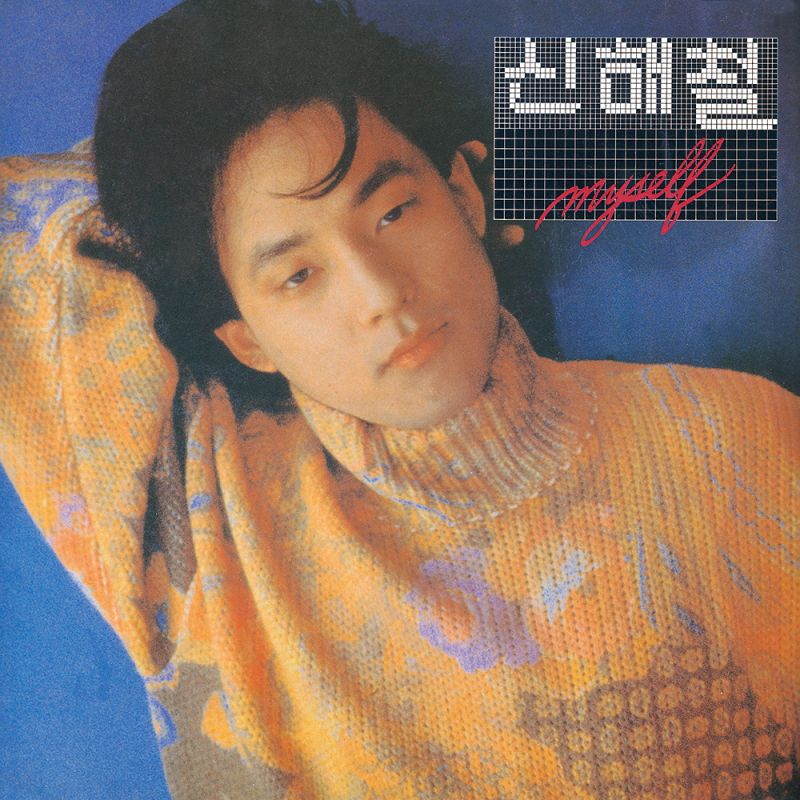
Music history rarely produces artists who can seamlessly cross boundaries between genres while maintaining complete creative control. Rather than staying within a single genre, Shin Hae-chul continuously reinvented himself, moving from synth-pop and ballads to progressive rock, electronic music, and conceptual albums.
When he debuted with Infinite Track (무한궤도) at the 1988 MBC Campus Music Festival, his impact was immediate. While many festival entries followed familiar folk and ballad traditions, “To You” (그대에게) stood apart with its grand synthesizer-driven arrangement, soaring brass lines, and theatrical energy. More than a competition-winning song, it became one of the defining youth anthems in modern Korean music.
Transitioning into a solo career in the early 1990s, he proved that artistic ambition and commercial appeal could go hand in hand. Unlike many rock musicians of his generation, Shin Hae-chul achieved mainstream success while introducing new digital production techniques to Korean pop music. Songs such as “Jazz Café” (재즈 카페) and “You’re Deep Inside My Heart” (내 마음 깊은 곳의 너) showcased his ability to combine emotional songwriting with cutting-edge MIDI production and electronic instrumentation, helping modernize the sound of Korean popular music in the early 1990s.
Yet his true creative peak arrived with the formation of the progressive rock band N.EX.T, which would become one of the most influential acts in Korean rock history. Its albums featured complex concept-driven narratives, intricate instrumental arrangements, and razor-sharp social commentary. Tracks like “City People” (도시인), “From the Sun to the Boy” (해에게서 소년에게), and the legendary symphonic rock masterpiece “Lazenca, Save Us” demonstrated that rock music in Korea could reach cinematic and philosophical heights.
Lyricism: The Philosopher of Young Souls
If his music pushed technical and structural boundaries, his lyrics gave a voice to the existential anxieties of modern Korea. Rather than writing simple love songs, Shin Hae-chul explored identity, technology, social conformity, history, and the meaning of existence.
In “Fly, Chick” (날아라 병아리), he turned the childhood experience of a pet chick’s death into a profound reflection on mortality and innocence. In “City People” (도시인), he dissected the isolation of modern workers functioning as small gears in an overwhelming urban machine.
And in “Freshwater Eel’s Dream” (민물장어의 꿈)—a song he once described as the track he wanted played at his own funeral—he sang quietly of loneliness, human limitation, and the stubborn hope of reaching the vast ocean despite feeling trapped in a narrow stream. His words offered comfort not by promising easy answers, but by acknowledging the dignity of human struggle.
Ghost Station: A Sanctuary in the Late Hours
Beyond his music, Shin Hae-chul became an indispensable cultural icon through his legendary late-night radio program, Ghost Station. First broadcast in the early 2000s, Ghost Station developed a devoted following among students, office workers, and night owls alike.
Rather than following the highly structured format common to Korean radio at the time, he cultivated an informal, spontaneous style that blended humor, sharp criticism, and sincere conversation. Listeners affectionately crowned him the “Mawang” (Demon King)—a moniker that reflected his commanding presence and refusal to bow to authority.
Yet his broadcast was far more than provocation. For many young Koreans struggling under the intense pressure of academic competition and social expectations, Ghost Station became less like a radio show and more like a late-night community where difficult questions could be asked honestly. He spoke to teenagers not as a patronizing adult, but as an equal who took their pain seriously.
Intellectual Leadership: Speaking Truth to Society
🎥 Infinite Track — “To You” (그대에게)
The debut song of Infinite Track (led by Shin Hae-chul), which won the Grand Prize at the 12th MBC Campus Music Festival in 1988.