When people talk about the origins of modern K-pop, the conversation almost always begins with Seo Taiji and Boys.
It’s easy to understand why. Their debut in 1992 transformed Korean popular music and inspired an entirely new generation of artists.
But history rarely begins with a revolution.
Two years before Seo Taiji’s breakthrough, another performer had already introduced Korean audiences to hip-hop rhythms, New Jack Swing, street dance, and a completely different style of stage performance.
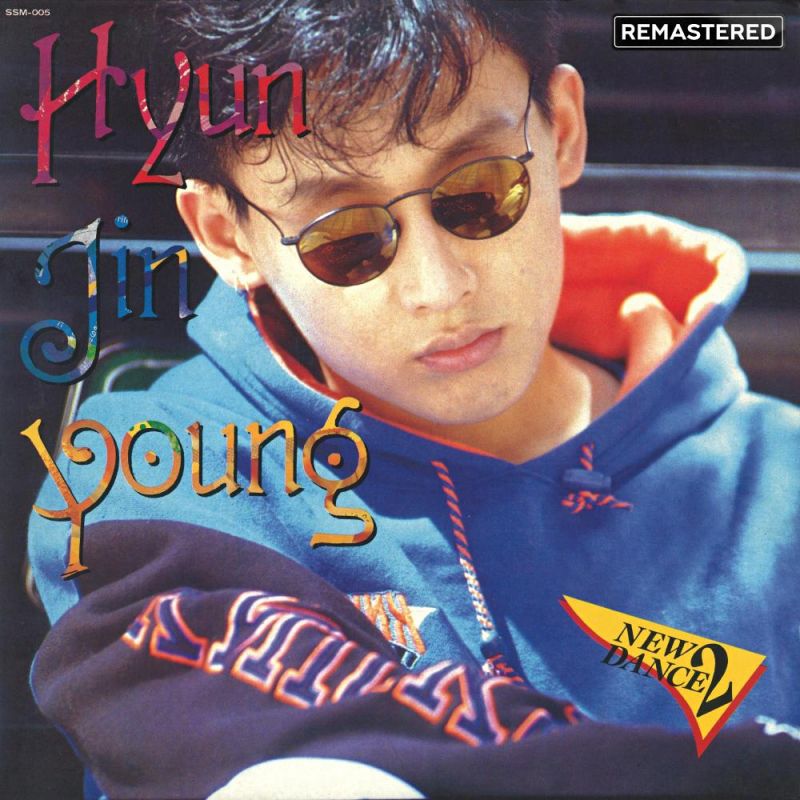
His name was Hyun Jin-young (현진영).
Although his career was cut short at its peak, his influence reached far beyond his own music. He became the first major artist developed by Lee Soo-man, the founder of SM Entertainment, and played a pivotal role in shaping ideas that would later influence the modern K-pop industry.
Historical Context: Before Hip-Hop Reached Korea
By the late 1980s, Korean popular music was still dominated by ballads, rock, and traditional pop.
Meanwhile, American popular music was evolving rapidly. Artists such as Bobby Brown, Guy, and Janet Jackson were bringing New Jack Swing into the mainstream, while Michael Jackson continued redefining what audiences expected from live performance.
These influences had only begun to reach Korea.
Most Korean singers still stood behind microphones, and choreography usually played a supporting role. Street dance, hip-hop fashion, and rhythm-driven pop remained unfamiliar to most television audiences.
That began to change in 1990.
Lee Soo-man’s First Major Experiment
Before founding one of the world’s most influential entertainment companies, Lee Soo-man was searching for a new direction for Korean popular music.
Inspired by the American music industry, he envisioned a performer who could sing, dance, and command the stage with equal confidence.
Hyun Jin-young became that artist.
Rather than presenting him as a conventional singer, Lee introduced a performer whose identity combined music, choreography, fashion, and stage presence.
Looking back today, it feels like an early blueprint for what would eventually become the modern K-pop idol.
At the time, however, it was unlike anything Korean audiences had seen before.
Who Was Hyun Jin-young?
Hyun Jin-young debuted in 1990 with “Sad Mannequin” (슬픈 마네킹), but it was “You in My Faded Memories” (흐린 기억 속의 그대) that established him as one of Korea’s biggest young stars.
His oversized streetwear, rhythmic vocals, expressive dancing, and New Jack Swing sound stood in sharp contrast to the polished ballad singers who dominated Korean television.
Watching those performances today, the influence of American New Jack Swing is unmistakable. Yet Hyun Jin-young wasn’t simply imitating Western artists. He adapted those influences into a style that felt fresh, energetic, and distinctly Korean.
For many listeners, it was their first real introduction to hip-hop-inspired Korean pop.
The WAWA Connection
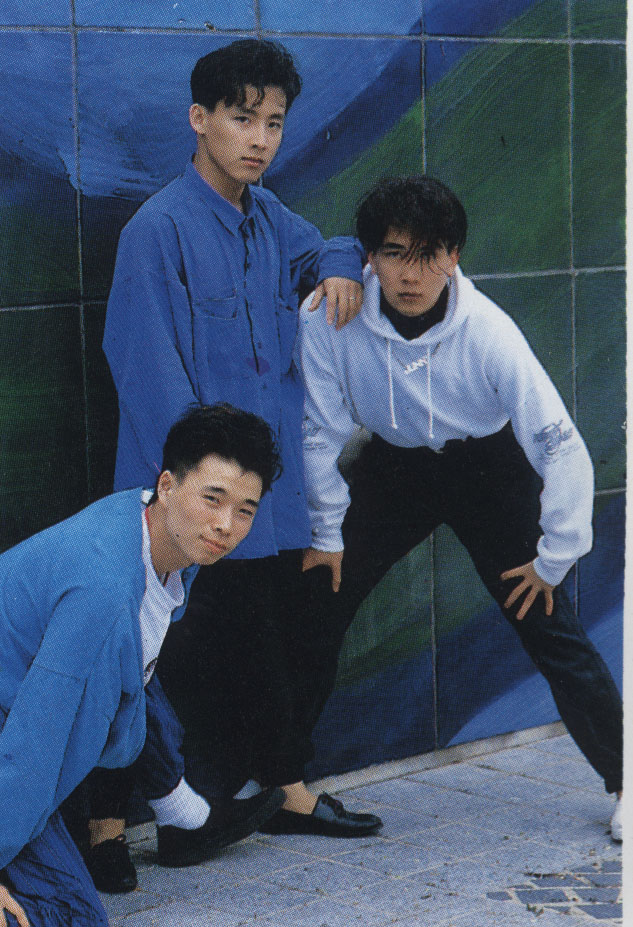
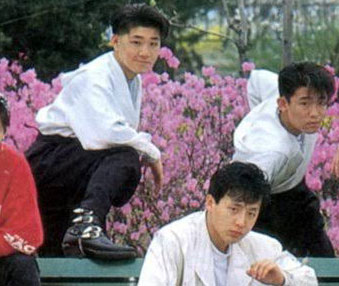
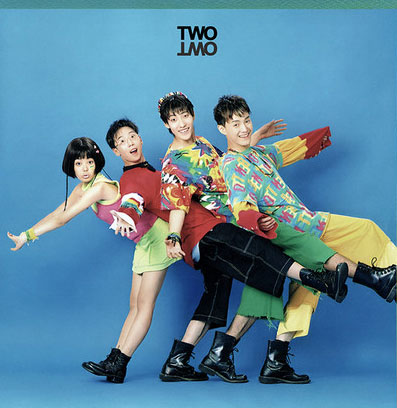
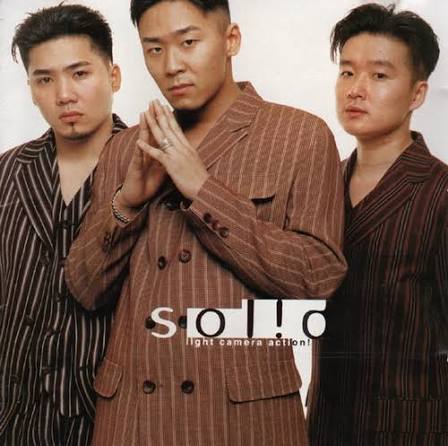
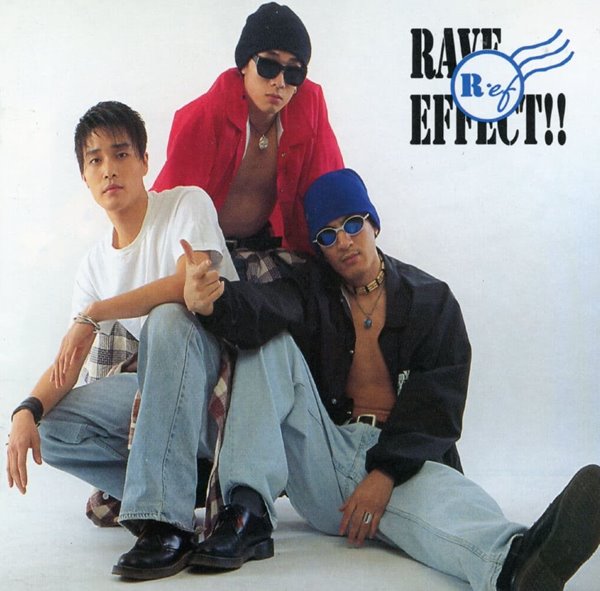
Koo Jun-yup & Kang Won-rae (Clon) / Lee Hyun-do & Kim Sung-jae (Deux)
One of the most fascinating parts of Hyun Jin-young’s story is the people who performed alongside him.
His stage performances featured members of the legendary dance team WAWA, one of Korea’s most influential dance crews of the early 1990s.
The first generation of WAWA included Koo Jun-yup and Kang Won-rae, who would later form Clon, one of Korea’s defining dance duos.
The second generation included Lee Hyun-do and Kim Sung-jae, who would go on to form DEUX, helping bring hip-hop into the Korean mainstream.
Looking back today, Hyun Jin-young’s performances became an unexpected launching pad for many of the artists who would define Korean popular music throughout the decade.
Why Hyun Jin-young Mattered
Hyun Jin-young’s career was relatively brief, but his influence was lasting.
He introduced New Jack Swing, street dance, and hip-hop-inspired performance to Korean television before those styles became widely accepted.
More importantly, he demonstrated that performance could become just as important as singing.
His success showed that Korean audiences were ready for a new kind of pop star—one whose identity was built not only on vocals, but also on choreography, fashion, and stage presence.
The Lessons That Helped Shape SM Entertainment

Hyun Jin-young’s promising career was interrupted by legal troubles related to drug use, bringing his rapid rise to an abrupt halt.
For Lee Soo-man, the experience became an important turning point.
Building an entertainment company around the charisma of a single artist carried enormous risk. In the years that followed, Lee continued developing what would become SM Entertainment’s trainee system, emphasizing long-term training, discipline, teamwork, and careful artist development.
That philosophy eventually led to the debut of H.O.T. in 1996, followed by S.E.S., Shinhwa, and the systematic approach that would become one of the defining models of modern K-pop.
While many factors contributed to the evolution of the idol system, Hyun Jin-young’s success—and the lessons learned from his career—were undoubtedly part of that journey.
His Legacy
Today, Hyun Jin-young is often overshadowed by the artists who followed him.
Yet his place in Korean music history remains significant.
He introduced Korean audiences to a new style of performance, helped popularize New Jack Swing and hip-hop-inspired pop, and became the first artist through whom Lee Soo-man tested ideas that would later evolve into SM Entertainment’s artist development philosophy.
Seo Taiji and Boys would go on to revolutionize Korean popular music.
But before that revolution, Hyun Jin-young had already shown that Korean audiences were ready for something new.
Sometimes history remembers the revolution. Just as often, it forgets the pioneer who made it possible.