When tracing the history of modern K-pop, nearly every road leads back to April 11, 1992—the debut of Seo Taiji and Boys.
But revolutions rarely appear out of nowhere.
Long before trainee systems, synchronized choreography, and entertainment companies producing million-selling idol groups, Korean popular music had its own stars, its own rules, and its own identity.
Before Seo Taiji and Boys reshaped the industry, a different musical landscape dominated Korea. Understanding that world helps explain why their arrival marked such an important turning point.
Before Visual Performance Became the Center
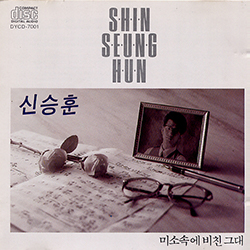
From the late 1980s to the early 1990s, ballads, melodic rock, and band music occupied a major place in Korean popular music.
Television was already important, and visual performance was becoming increasingly visible. Artists such as Kim Wan-sun, Park Nam-jung, and Sobangcha were already demonstrating the appeal of choreography and stage presence. But the industry had not yet been reorganized around the tightly integrated combination of music, choreography, styling, and concept that would later define the idol era.
Cassette tapes and LP records remained central to how people consumed music. Listeners followed lyrics through album booklets, and singers such as Shin Seung-hun, Lee Moon-sae, and Byun Jin-sub built enormous audiences through melody, lyrics, and distinctive vocal styles.
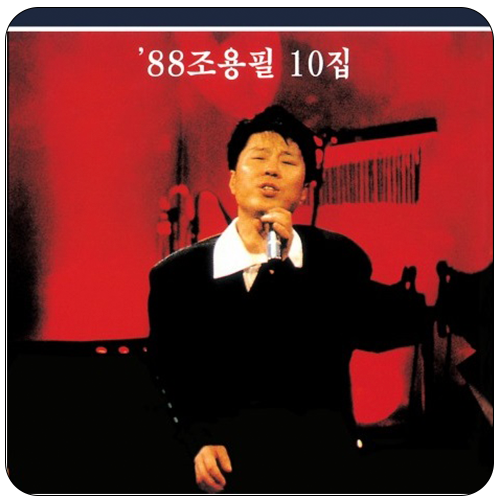
Meanwhile, legendary artists such as Cho Yong-pil represented a model of the singer as both a commanding musician and a powerful live performer.
Teenagers were already an important part of Korean pop fandom, but the industry had not yet become as systematically organized around youth audiences as it would during the idol era.
The First Dance Music Pioneers
Even during the height of the ballad era, a handful of artists began introducing a different kind of performance—one built around movement, choreography, and visual appeal.
They didn’t create K-pop as we know it today, but they helped establish some of the elements that would later become central to it.
Sobangcha (1987)
Debuting in 1987, Sobangcha (소방차) became one of Korea’s earliest performance-oriented male groups. Rather than standing still while singing, they filled the stage with synchronized choreography, energetic movement, and acrobatic performances.
Hits such as “Last Night Story” and “Busy Telephone” made them hugely popular among teenagers, helping establish one of Korea’s early youth fan communities and demonstrating that performance could become an important part of a pop act’s appeal.
Sobangcha also experienced several lineup changes during its active years. While member changes were unusual in Korean pop at the time, the group continued promoting under the same name with new members. In hindsight, Sobangcha offers an early glimpse of something that would become increasingly important in Korean pop: audiences identifying with a group as a continuing entity, rather than only with individual performers.
Setorae (1988)
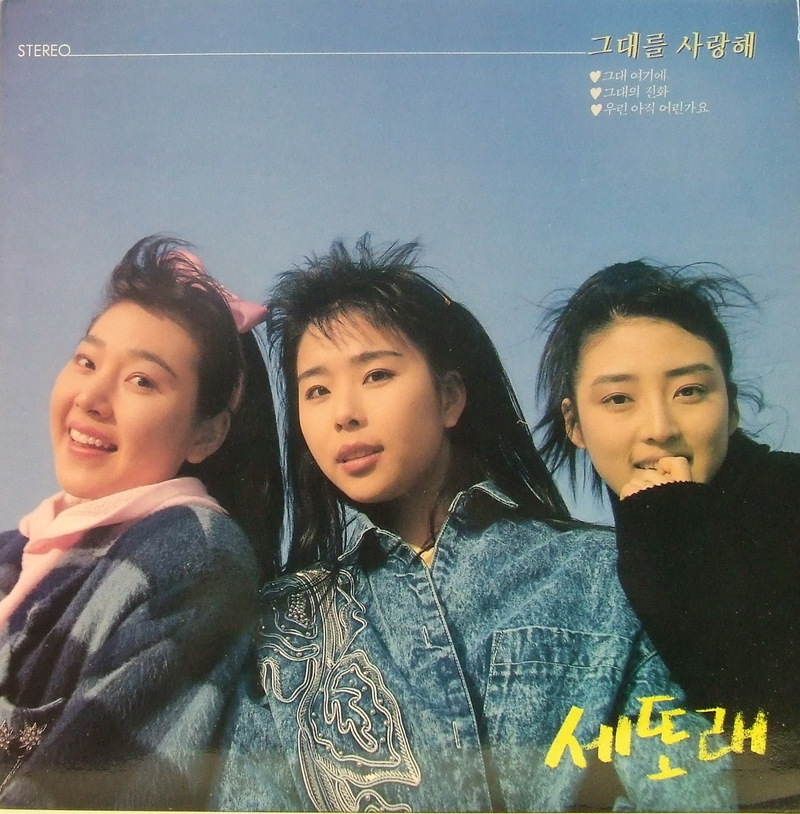
Setorae (세또래) was among Korea’s earliest planned female pop groups.
Inspired in part by the Japanese idol scene, the trio emphasized coordinated styling, matching costumes, carefully designed choreography, and a unified group image. Although their career was relatively short, they represented an early example of the visual planning and concept development that would later become central to K-pop girl groups.
The Rise of Dance Soloists
While groups were beginning to experiment with performance, several solo artists proved that dance itself could become a defining element of Korean popular music.
Kim Wan-sun
Often called “Korea’s Madonna,” Kim Wan-sun helped redefine the role of a female pop artist.
With years of professional dance training before her debut, she combined sophisticated choreography with remarkable stage presence, demonstrating that visual performance could be every bit as important as vocal ability.
Park Nam-jung

Park Nam-jung became one of the most recognizable dance-oriented solo performers of the late 1980s.
Known for bringing modern street-dance techniques—including the moonwalk—to mainstream Korean television, his smooth choreography, charismatic performances, and strong live vocals inspired young dancers and helped make dance-oriented pop increasingly visible in the mainstream.
Why Didn’t They Create Modern K-pop?
These artists were not simply prototypes for what came later. Kim Wan-sun, Park Nam-jung, Sobangcha, Setorae, and their contemporaries belonged to their own musical moment and were major figures in Korean popular culture in their own right.
Dance music was already popular. Choreography already mattered. Teenagers already followed stars, and visual presentation was becoming increasingly important.
What had not yet fully emerged was the particular combination that would become increasingly central during the 1990s: youth identity, dance music, fashion, visual performance, fandom, and an entertainment industry increasingly structured around all of them at once.
This is why 1992 matters.
Seo Taiji and Boys did not arrive in an empty landscape. Many of the ingredients associated with modern K-pop were already visible across Korean popular music.
What changed was the way those elements came together.
Their music drew from contemporary genres such as rap, hip-hop, and dance music while speaking directly to a younger generation. Music, fashion, choreography, visual identity, and eventually social commentary became parts of the same cultural package.
K-pop did not begin from zero in 1992.
Its ingredients were already taking shape across Korean popular music in the years before Seo Taiji and Boys. Looking back at that period makes the transformation of the 1990s easier to understand—not as a sudden invention, but as a moment when several existing currents began to converge.
The stage had already been built.
In 1992, the performance changed.