When people think of early K-pop, they often picture hip-hop beats, New Jack Swing, or high-energy dance performances.
But the Korean music scene of the early 1990s was far more diverse than many international fans realize.
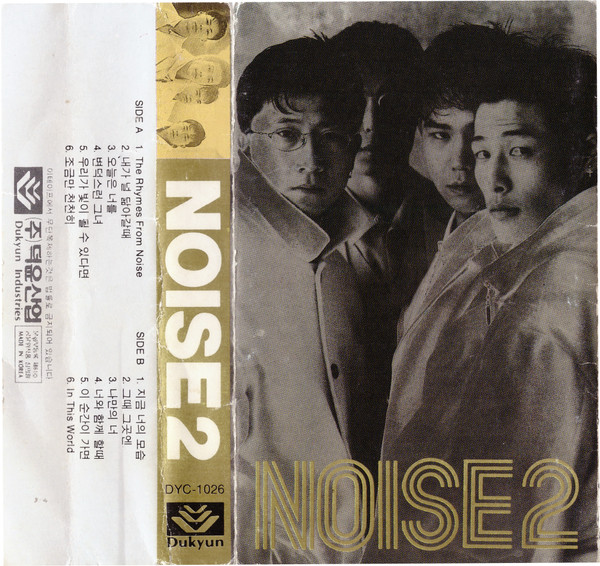
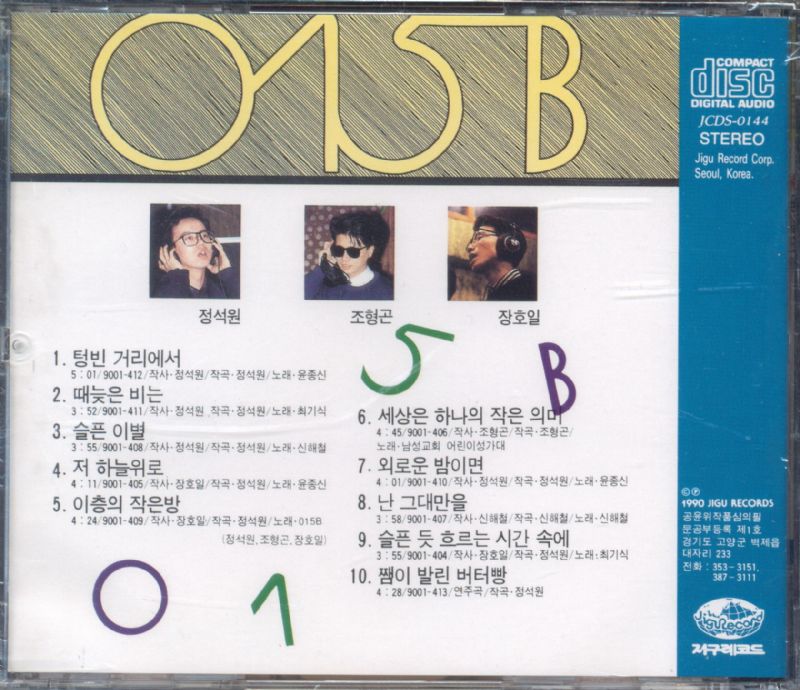
While groups like DEUX popularized hip-hop and Noise helped bring house music into the mainstream, another act quietly carved out its own space with shimmering synthesizers, polished electronic arrangements, and melodic pop songwriting.
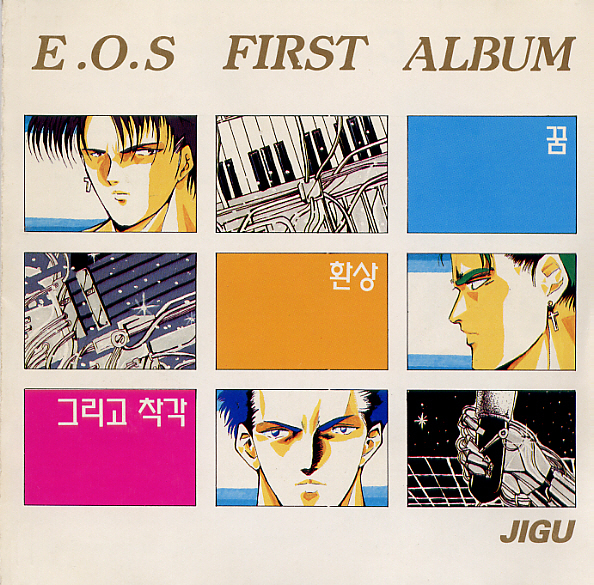
That group was E.O.S. (이오에스).
Although they are often remembered today as the group where Kim Hyung-jung began his career, E.O.S. deserves recognition for representing one of the early synth-driven sounds that expanded the musical landscape of Korean pop before the idol era fully took shape.
A Different Sound in Korea’s Dance Music Boom
By the early 1990s, Korean popular music was changing at a remarkable pace.
Hip-hop, house, rock, reggae, and electronic pop were all competing for attention as producers experimented with new musical influences from overseas. There was no single formula for success, and artists were free to explore very different styles.
E.O.S. chose a different path.
Rather than building their music around aggressive rap or club-oriented beats, they embraced lush synthesizers, electronic keyboards, clean production, and memorable melodies. Their songs combined dance rhythms with emotional vocals, creating a sophisticated pop sound that felt modern while remaining unmistakably Korean.
Instead of relying on intensity, E.O.S. emphasized atmosphere—a quality that still gives many of their recordings a timeless feel.
Kim Hyung-jung Before His Solo Success
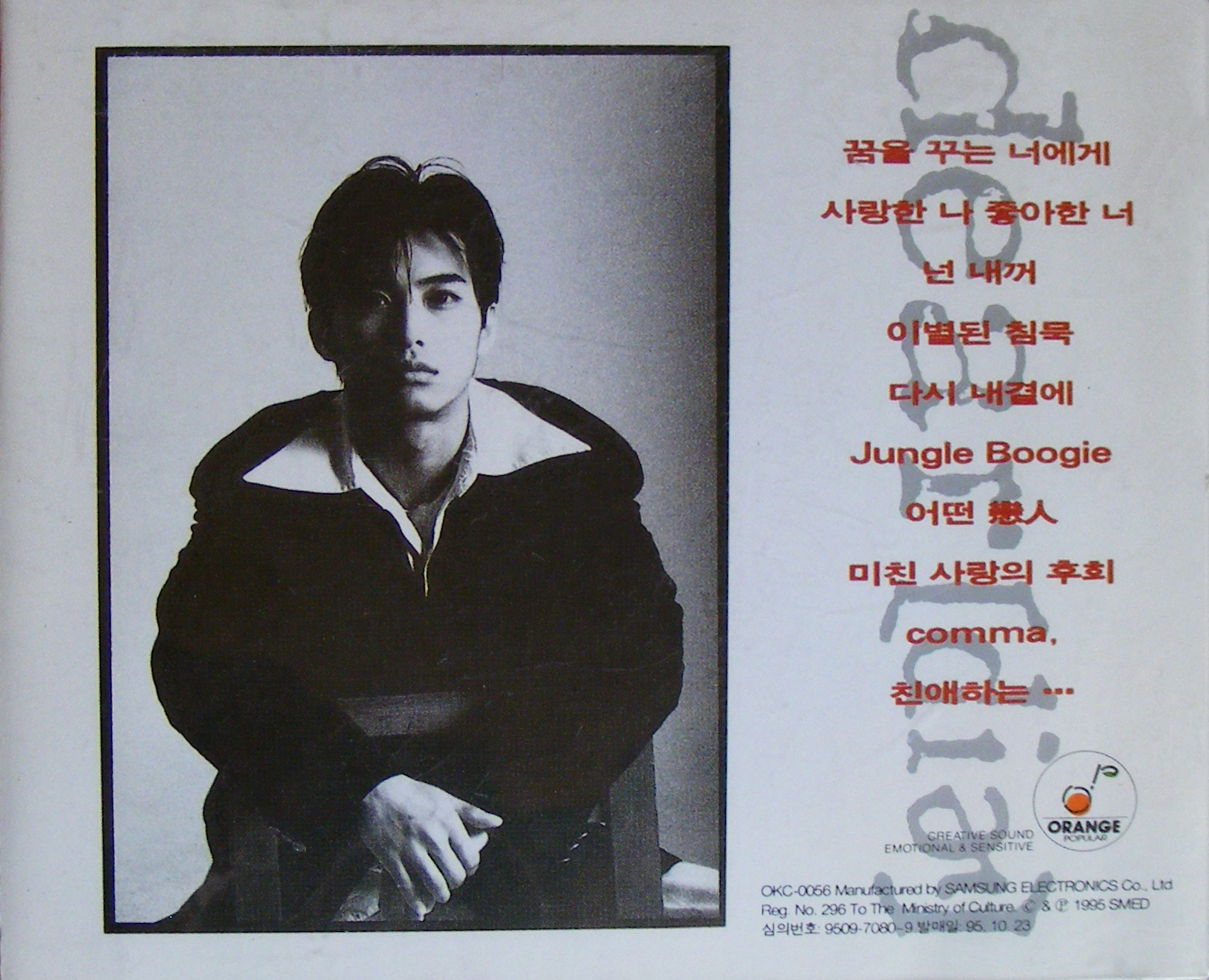
For many Korean listeners, E.O.S. is best remembered as the group that introduced Kim Hyung-jung.
Long before becoming one of Korea’s most recognizable ballad singers, he developed his career as the group’s lead vocalist. His gentle, expressive voice gave E.O.S. a softer identity than many contemporary dance groups and became one of their defining characteristics.
Following the group’s disbandment, Kim successfully reinvented himself as a solo artist with hits including “She’s With Me” (그랬나봐), becoming one of the leading male ballad singers of the 2000s.
His career also reflects a broader trend of the era, when many artists moved between groups and solo careers before the trainee-based idol system became firmly established.
Why E.O.S. Matters
E.O.S. did not invent synthesizer-based pop, nor were they the only Korean artists experimenting with electronic production.
Their importance lies elsewhere.
They helped demonstrate that electronic arrangements could be elegant, melodic, and accessible to mainstream audiences. At a time when digital MIDI production and synthesizers were becoming increasingly common in Korean studios, E.O.S. showed how those technologies could support polished pop songwriting rather than simply imitate Western dance music.
Their music represents one branch of the broader evolution of Korean popular music during the early 1990s—a period defined by experimentation rather than conformity.
That willingness to explore different sounds ultimately laid the foundation for the diverse production styles that characterize K-pop today.
More Than a Forgotten Group
Today, E.O.S. is often overshadowed by bigger names from the same era.
Yet that is precisely why they deserve another look.
Modern K-pop was not built by a handful of legendary artists alone. It evolved because dozens of musicians explored different genres, production techniques, and performance styles at the same time.
E.O.S. represents one of those important paths.
While other groups pushed hip-hop, house, or reggae into the mainstream, E.O.S. quietly proved that synth-driven electronic pop also had a place in Korea’s rapidly changing music industry.
Their contribution may have been understated, but it remains an important part of the story.
Did You Know?
Before becoming a successful solo ballad singer, Kim Hyung-jung spent several years as the lead vocalist of E.O.S., where he first introduced audiences to the warm vocal style that would later define his solo career.
Recommended Videos
- E.O.S. – “Dream, Fantasy, and Illusion” on KBS Music Station (June 14, 1993)
- E.O.S. – Dream, Fantasy and Illusion, Music Station (June 14, 1993)