When Seo Taiji and Boys debuted in 1992, they proved that Korean audiences were ready for a new kind of popular music.
But another important transformation was happening at the same time.
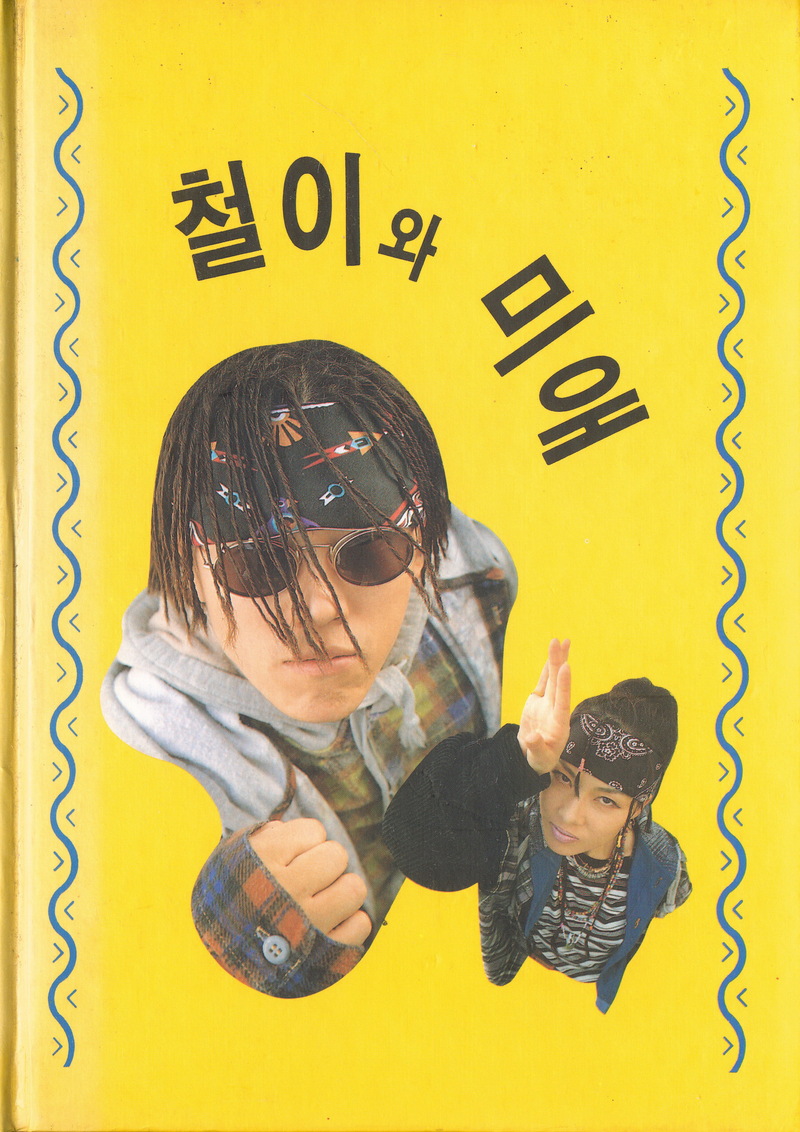
While Seo Taiji reshaped the sound of Korean pop, Chuli & Miae helped reshape how it looked on stage.
Drawing inspiration from Korea’s emerging club scene, they introduced house-inspired dance music, street dance, and memorable choreography to mainstream television, helping bridge the gap between underground dance culture and family living rooms.
Historical Context: Dance Music Leaves the Club
In the early 1990s, dance clubs in neighborhoods such as Itaewon were becoming important spaces for DJs, dancers, and electronic music.
Much of that culture, however, remained disconnected from mainstream television.
Korean music programs still favored singers over performers, and choreography was often treated as a supporting element rather than the main attraction.
Chuli & Miae helped change that.
Who Were Chuli & Miae?
The duo brought together two artists with very different backgrounds.
Shin Chul had already established himself as one of Korea’s most respected club DJs and remix producers. Through his work in Seoul’s nightclub scene, he developed a deep understanding of dance music, remix culture, and what kept people on the dance floor.
Miae, meanwhile, was already recognized as an exceptional dancer before making her recording debut. Her background in street dance gave her a style that felt noticeably different from the choreography commonly seen on Korean television.
Together, they created a partnership that combined club music with performance in a way few Korean audiences had experienced before.
What Made Them Different?
Their debut hit, “Why do you?” (너는 왜), blended upbeat house rhythms with rap, melodic vocals, and energetic choreography.
The music itself reflected trends that were becoming popular in Europe and the United States, but Chuli & Miae adapted those influences into a style that felt unmistakably Korean.
Just as important was their choreography.
One simple movement—later nicknamed the “scrubbing dance” (때밀이 춤)—became instantly recognizable and easy for audiences to imitate.
Long before viral dance challenges existed, Chuli & Miae demonstrated the power of memorable point choreography in popular music.
Their performances also incorporated elements of popping, locking, and freestyle street dance, giving Korean television a level of movement and energy that felt fresh at the time.
Why Chuli & Miae Mattered
Chuli & Miae represented more than another successful dance act.
They helped bring the sound and energy of Korea’s underground club culture into the mainstream, introducing audiences to house-inspired dance music through accessible pop songs.
Just as importantly, Miae challenged expectations of female performers.
At a time when many women in dance groups were primarily expected to sing or support the group’s visual image, Miae stood at the center of the performance. Her confidence, athletic choreography, and commanding stage presence made her one of the most distinctive female performers of the early 1990s.
Looking back today, her performances feel surprisingly modern.
Their Legacy
Although Chuli & Miae remained active for only a few years, their influence reached well beyond their chart success.
Shin Chul would go on to become one of Korea’s most influential DJs, producers, and television personalities, continuing to shape Korean popular music long after the duo ended.
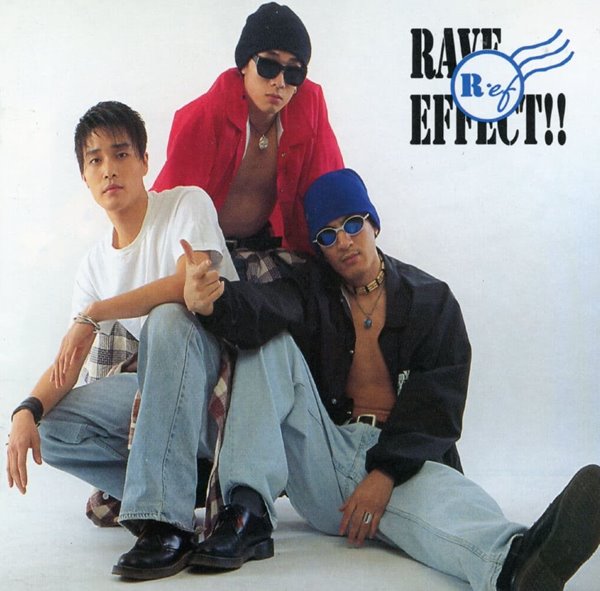
Their music also helped prepare audiences for the electronic dance groups that followed, including Noise, R.ef, Turbo, and Clon, all of whom expanded different aspects of dance music throughout the 1990s.
Chuli & Miae didn’t invent Korean dance music.
But they helped bring the energy of Korea’s underground clubs into millions of living rooms—and in doing so, expanded the possibilities of what Korean pop performance could become.