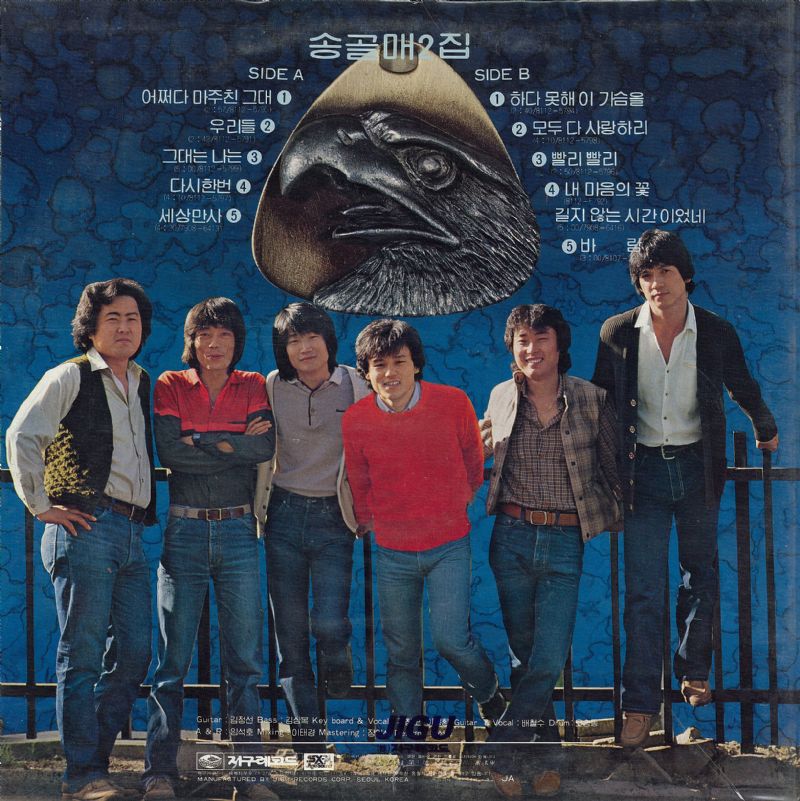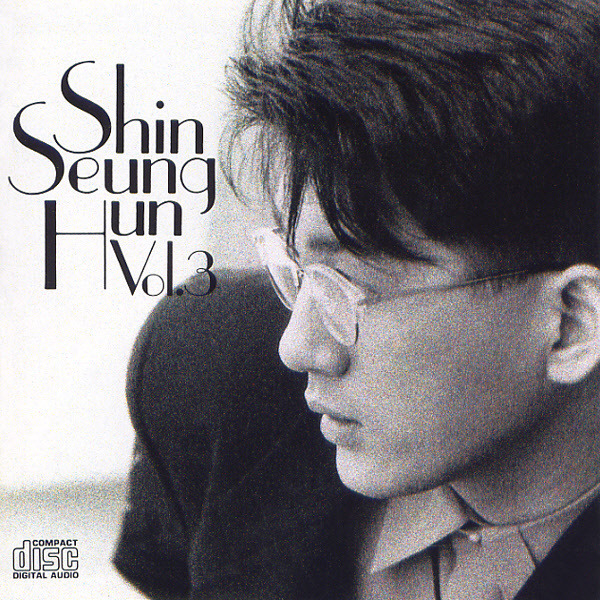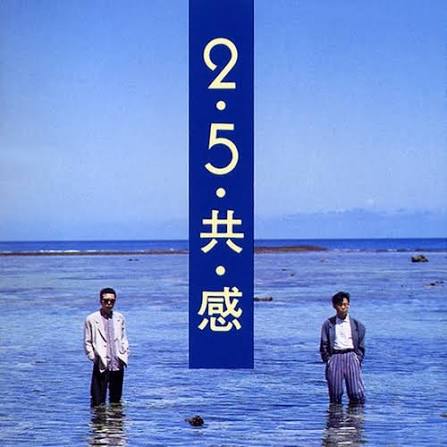
How a Changing Korea Fell in Love with Ballads
Before the Ballads
Today, Korean popular music is almost synonymous with K-pop. For many international listeners, it’s a world of perfectly synchronized choreography, elaborate music videos, and global superstars performing in sold-out stadiums. Modern K-pop is fast, colorful, and constantly evolving.
But rewind the clock to 1990, and Korea sounded completely different. Long before idol groups dominated the charts, the country’s soundtrack was built around something much quieter: the ballad.
These weren’t simply slow love songs. Korean ballads became emotional diaries set to music. They captured first love, heartbreak, loneliness, hope, and the quiet moments in between. They were played on morning radio, sung at university festivals, and listened to on cassette tapes passed from friend to friend. Years later, many would become staples of Korea’s rapidly growing noraebang (karaoke) culture.
For much of the 1990s, ballads weren’t just a genre—they were the emotional language of an entire generation. No artist came to symbolize that era more than Shin Seung-hun.
Yet telling his story alone would miss something important. His extraordinary success wasn’t an accident, nor was it the work of one remarkable singer. It reflected a country that was changing rapidly—economically, socially, and culturally. Korea was entering a new decade with growing confidence, a booming entertainment industry, and audiences eager for music that felt both personal and sincere.
To understand why Shin Seung-hun became the defining voice of the 1990s, we first have to understand the Korea that was waiting for him.
Korea Before 1990
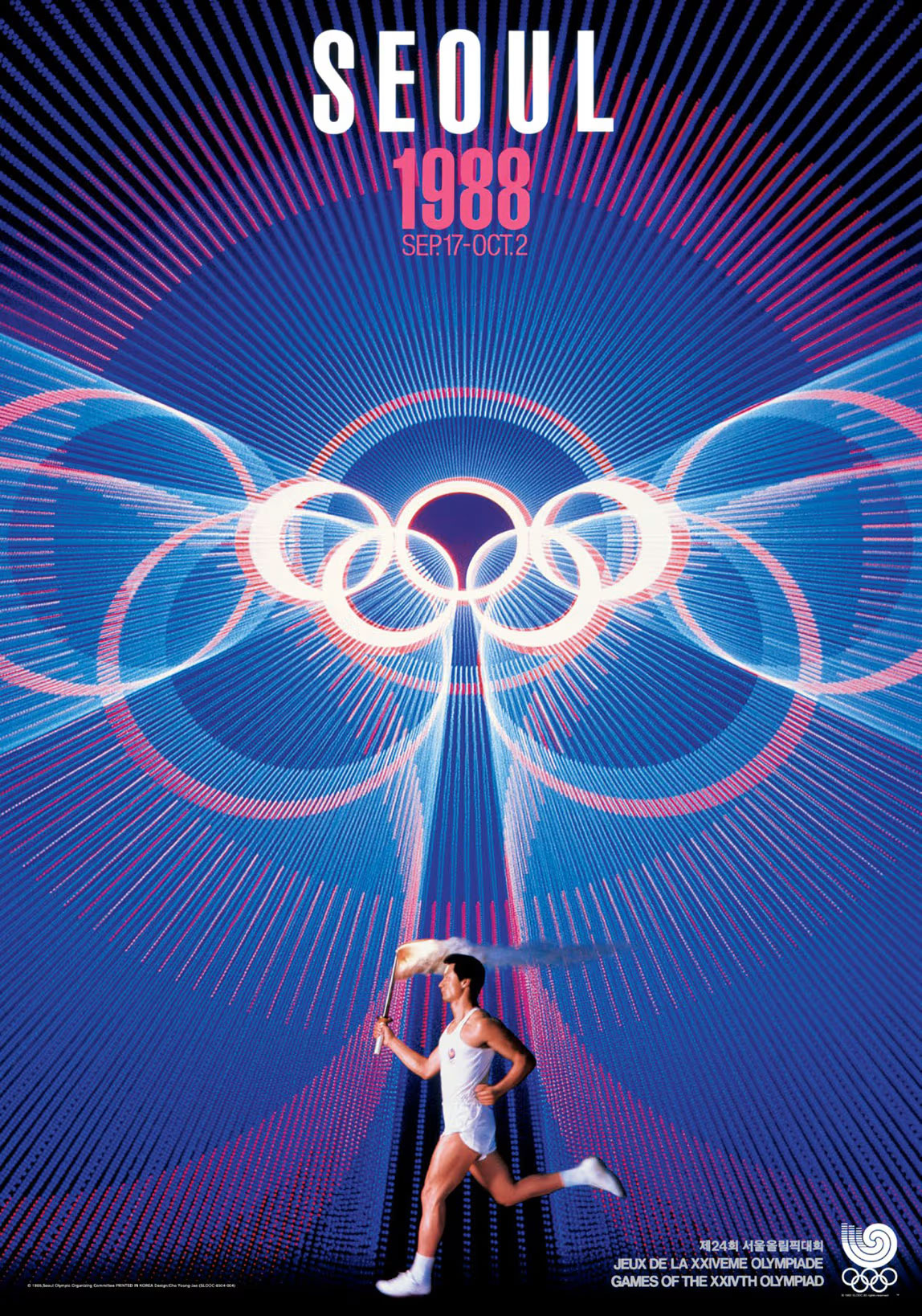
The story begins in the late 1980s.
South Korea was changing at a remarkable pace.
Just a generation earlier, the country had been rebuilding after the Korean War. Through rapid industrialization during the 1960s and 1970s, cities expanded, incomes rose, and millions of people moved from rural villages to growing urban centers. By the end of the 1980s, South Korea had transformed into one of Asia’s fastest-growing economies.
But economic growth wasn’t the only thing reshaping everyday life.
The 1988 Seoul Olympics introduced Korea to a global audience unlike ever before. More than a sporting event, the Olympics became a symbol of national confidence. New infrastructure, increased international exchange, and expanding media coverage all contributed to a cultural shift. Koreans were becoming more outward-looking while also developing a stronger appreciation for their own popular culture.
At the same time, the country’s entertainment industry was beginning to mature.
Television reached nearly every household. Radio remained an essential part of daily life. Record stores filled busy shopping districts, and albums became meaningful gifts among friends and couples. Music wasn’t something consumed through algorithms or streaming platforms. It was something people intentionally bought, collected, and shared.
Owning an album meant more than owning a few songs.
Fans carefully unfolded lyric booklets, memorized every track, and listened from beginning to end. A successful album wasn’t built around one hit single—it reflected the artist’s identity as a whole.
That culture would become one of the defining characteristics of Korean music throughout the 1990s.
A Different Musical Landscape
Lee Sun-hee - To J Gayo Top 10 (1984)
The Korea of the 1980s also sounded very different from the country that would soon embrace K-pop.
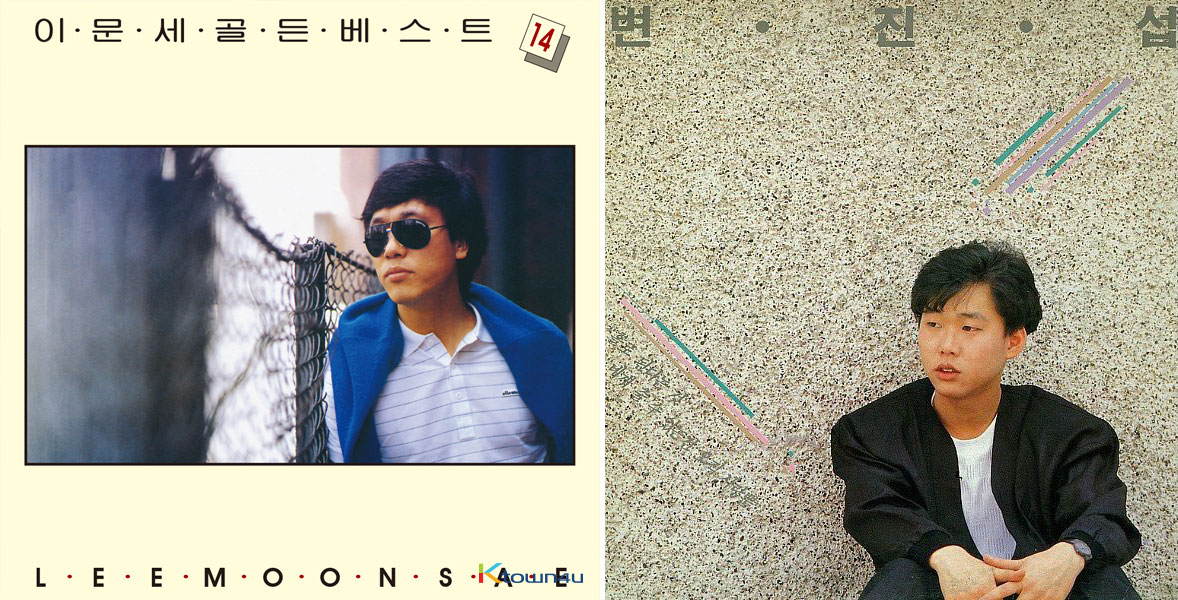
Dance music certainly existed, as did folk music, rock, and trot. Legendary singers such as Cho Yong-pil had already become household names, while artists including Lee Moon-sae, Byun Jin-sub, and Lee Sun-hee helped shape the sound of the decade.
Ballads were already popular.
But they had not yet become the dominant force that would define an entire generation.
The stage was still being set.
Many songs focused on expressive vocals and memorable melodies rather than complex production. Live television performances carried enormous influence, and a singer’s ability to deliver emotionally on stage often mattered more than spectacle.
It was an era when voices came first.
The Korean public valued sincerity. Listeners wanted songs that reflected ordinary emotions—love that didn’t last, dreams that felt uncertain, friendships that changed over time, and the quiet hope that tomorrow might be better than today.
Those themes resonated deeply with a society experiencing rapid transformation.
The Right Voice at the Right Time
History rarely changes because of one person alone.
More often, a generation reaches a moment when it is ready for something new—and someone arrives who perfectly captures that feeling.
That was exactly what happened in 1990.
Shin Seung-hun didn’t invent Korean ballads.
He didn’t introduce emotional songwriting to Korea.
What he did was something perhaps even more remarkable.
He arrived at precisely the moment when millions of listeners were looking for a voice that reflected who they were becoming.
His warm, expressive vocals felt familiar rather than distant. His songs were emotional without being theatrical, polished without losing their sincerity. They spoke to ordinary people living through an extraordinary period of change.
The timing could hardly have been better.
Within just a few years, Korean popular music would experience one of the most dramatic transformations in its history.
But before dance music reshaped the industry…
Before Seo Taiji and Boys challenged every convention…
Before the idol system changed Korean pop forever…
There was a brief but unforgettable moment when one genre stood above all others.
It was the age of the ballad.
And in 1990, its defining voice was about to arrive.
The Voice That Defined a Decade
In 1990, South Korea was ready.
The country had entered a new decade with growing confidence. The economy was expanding, the middle class was becoming larger, and the music industry itself was becoming more sophisticated. Record labels were investing more heavily in new talent, television music programs attracted millions of viewers every week, and buying albums had become part of youth culture.
What the industry needed was a voice that could capture the emotions of a changing generation.
It found one in a young singer from Daejeon.
Few people could have predicted just how quickly Shin Seung-hun would rise.
When Shin Seung-hun made his debut with Reflection of You in Your Smile in August 1990, he wasn’t introduced as a flashy performer. Unlike many pop stars who would follow, there were no elaborate dance routines or carefully choreographed stages. His greatest strength was something much simpler—his voice.
Warm without being overly dramatic, technically polished yet emotionally approachable, Shin’s singing felt genuine. Rather than overwhelming listeners with vocal acrobatics, he invited them into the song. That sincerity would become one of the defining qualities of Korean ballads throughout the decade.
The album’s lead single, “Reflection of You in Your Smile” (미소 속에 비친 그대), immediately struck a chord with audiences.
Its melody was memorable, but it was the emotion that lingered.
The song spoke of love not through grand declarations but through quiet moments of admiration and longing. It reflected everyday emotions that listeners recognized from their own lives.
That authenticity mattered.
Unlike many international pop markets, Korea’s music scene in the early 1990s placed enormous value on emotional storytelling. Listeners weren’t simply looking for catchy melodies—they wanted songs that felt honest.
Shin Seung-hun delivered exactly that.
More Than a Hit Song
Shin Seung-hun - Reflection of You in Your Smile Gayo Top 10 (1991)
Success in the early 1990s looked very different from today.
There were no streaming charts, no YouTube views, and no social media trends to propel a song overnight.
Instead, popularity spread gradually.
People heard songs on the radio during their commute. Families watched televised music shows together in the evening. Friends recommended albums to one another. Record stores displayed best-selling releases in their front windows, and word of mouth often proved more powerful than any advertising campaign.
When an album succeeded under those conditions, it usually meant something significant.
People weren’t listening to just one song—they were buying the entire record.
That distinction is important.
The Korean music industry of the 1990s was built around albums rather than singles. Fans spent time with complete collections of songs, reading lyric booklets while listening from beginning to end. An artist wasn’t judged by one successful track alone but by the consistency of an entire album.
His debut album, Reflection of You in Your Smile, thrived in exactly that environment.
Its success established Shin Seung-hun not merely as a singer with one popular song, but as an artist audiences wanted to follow.
Why Ballads Spoke to Korea
Looking back today, it’s easy to assume ballads dominated simply because people enjoyed slower music.
The reality was more complex.
South Korea in the early 1990s was experiencing extraordinary change.
Young adults who had grown up during years of rapid economic development were beginning university, entering the workforce, and imagining different futures from those of their parents. Cities expanded, opportunities increased, and daily life became increasingly fast-paced.
Yet amid all that change, people still searched for moments of emotional connection.
Ballads offered exactly that.
Unlike dance music, which encouraged movement and excitement, ballads invited listeners to pause. They explored emotions that many people found difficult to express openly—first love, quiet disappointment, gratitude, hope, and the pain of letting go.
In a society where emotional restraint was often valued, music became one of the safest places to express vulnerability.
That helps explain why ballads resonated so deeply.
They weren’t an escape from reality.
They were a reflection of it.
A New Standard for Success
Shin Seung-hun - Invisible Love Gayo Top 10 (1992)
As his debut album continued to gain momentum, Shin Seung-hun quickly became one of the most talked-about new artists in Korea.
His debut album went on to sell well over a million copies—an extraordinary achievement at a time when physical album sales measured an artist’s popularity. The commercial success established him as one of the country’s biggest new stars and signaled that Korean audiences were embracing a new generation of ballad singers.
Recognition soon followed.
His music performed strongly on major television music programs, and industry awards confirmed what audiences had already decided: a remarkable new voice had arrived.
More importantly, Shin Seung-hun’s success influenced the industry itself.
Record labels began searching for artists who combined strong vocal ability with emotional storytelling. Songwriters increasingly crafted melodies that emphasized lyrical expression over spectacle. Ballads were no longer simply one successful genre among many.
They had become the center of Korean popular music.
The Calm Before Another Revolution
For a brief moment, it seemed as though the future of Korean music had already been decided.
Ballads dominated much of the popular music landscape.
Powerful vocalists became household names.
Physical albums became the primary measure of commercial success.
The industry appeared to know exactly what audiences wanted.
Then, just two years later, everything changed.
In 1992, three young musicians walked onto a television stage and challenged nearly every assumption about Korean popular music.
Their names were Seo Taiji and Boys.
The revolution that followed would reshape the industry forever.
Yet what makes the early 1990s so remarkable is that the rise of dance music did not erase the age of ballads.
Instead, the two movements would grow side by side—each defining Korean music in its own way.
And throughout that transformation, Shin Seung-hun remained one of the most trusted and beloved voices in the country.
The story of Korea’s ballad era was only just beginning.
Continue Reading
The arrival of Shin Seung-hun marked the beginning of Korea’s Ballad Era—but it wasn’t the end of the story.
Just two years later, Seo Taiji and Boys would revolutionize Korean popular music, introducing sounds and styles that changed the industry forever.
Yet something remarkable happened.
Rather than disappearing, ballads continued to resonate with millions of listeners. Throughout the 1990s, two seemingly different musical worlds—emotional ballads and groundbreaking dance music—grew side by side, shaping the foundation of modern Korean pop.