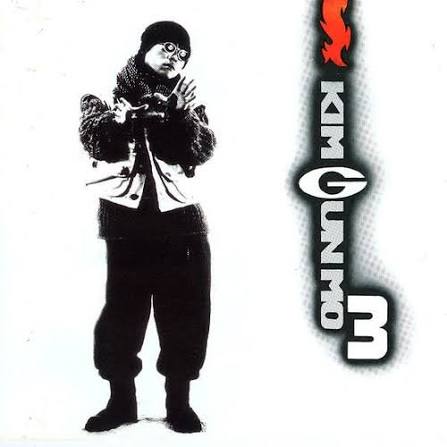
Before K-pop became a global phenomenon, South Korea experienced a remarkable period of musical growth that laid the foundation for today’s music industry. Among the artists who defined this era, Kim Gun-mo (김건모) stands as one of the most commercially successful and musically distinctive solo performers in Korean popular music.
Debuting in 1992, Kim Gun-mo became a symbol of South Korea’s booming physical-album era through a career that moved freely between pop, dance, R&B, jazz, funk, ballads, and reggae-inspired music. His enormous album sales, distinctive voice, and stylistic versatility made him one of the defining artists of the 1990s.
More than three decades later, his music remains an important chapter in the evolution of Korean popular music before the global rise of K-pop.
Post Highlights
One of Korea’s Best-Selling Solo Artists
Kim Gun-mo became one of the defining artists of the 1990s, selling millions of albums during South Korea’s physical-album boom.
Record-Breaking Success
His third studio album, Wrongful Meeting (1995), became one of the biggest commercial successes in Korean music history and earned recognition from Guinness World Records.
A Pioneer of Genre-Blending Pop
Through hits such as “Pinggye,” “Wrongful Meeting,” and “Speed,” Kim Gun-mo brought reggae-influenced rhythms, R&B, funk, and energetic dance music into the center of Korean mainstream pop.
A Lasting Legacy
His career captures the scale, diversity, and extraordinary commercial strength of South Korea’s popular music industry during the 1990s.
Key Information
| Category | Details |
|---|---|
| Name | Kim Gun-mo (김건모) |
| Debut Year | 1992 |
| Primary Genres | Pop · Dance · R&B · Jazz · Funk · Reggae-inspired Pop · Ballad |
| Peak Era | 1990s Physical-Album Boom |
| Signature Songs | “Pinggye”, “Wrongful Meeting”, “Speed”, “Beautiful Farewell”, “Seoul’s Moon” |
| Known For | Record-breaking album sales, reggae-inspired pop, distinctive vocals, and genre-blending versatility |
Early Career
Kim Gun-mo debuted in 1992 with a musical style that quickly distinguished him from many of his contemporaries.
Rather than staying within a single genre, he drew from R&B, funk, jazz, dance music, and contemporary pop. His distinctive vocal tone and rhythmic phrasing were particularly well suited to this mix, allowing him to move between energetic dance tracks and emotional ballads without losing his musical identity.
Within only a few years, he had established himself as one of Korea’s leading solo artists.
From “Pinggye” to “Wrongful Meeting”
Kim Gun-mo played an important role in bringing reggae-influenced pop into Korea’s musical mainstream during the 1990s.
Released in late 1993 and becoming a major hit in 1994, “Pinggye” (핑계 / Excuse) introduced a broad mainstream audience to reggae-inspired rhythms through an accessible pop format. Reggae influences had appeared in Korean popular music before, but the enormous success of “Pinggye” helped make the sound much more familiar to Korean listeners.
Two years later, “Wrongful Meeting” (잘못된 만남) combined reggae-influenced rhythms with the fast-paced energy of 1990s dance-pop.
The song became one of the defining hits of the decade and reinforced Kim Gun-mo’s position at the center of Korea’s rapidly expanding mainstream music market.
Record-Breaking Success: The Million-Seller Era
In 1995, Kim Gun-mo reached a historic commercial milestone with the release of his third studio album, Wrongful Meeting (잘못된 만남).
Driven by the extraordinary popularity of its title track, the album sold millions of physical copies and became one of the biggest commercial successes in Korean music history. Its sales achievements were later recognized by Guinness World Records, cementing Kim Gun-mo’s status as one of the dominant recording artists of the decade.
The momentum continued with his fourth album in 1996.
Led by the hit “Speed” (스피드), the album demonstrated that the success of Wrongful Meeting had not been an isolated phenomenon. Kim Gun-mo remained one of the most commercially powerful solo performers in Korea’s physical-album market.
Musical Style
Rather than limiting himself to a single genre, Kim Gun-mo built much of his career around musical versatility.
Throughout the 1990s, his recordings incorporated dance-pop, R&B, jazz, funk, reggae-influenced pop, and emotional ballads.
Tracks such as “Speed” showcased his rapid vocal phrasing and ability to ride energetic rhythmic arrangements, while ballads such as “Beautiful Farewell” (아름다운 이별) revealed a very different side of his voice—restrained, expressive, and emotionally direct.
This ability to move between high-energy dance music and slower vocal-driven material became one of the defining characteristics of his career.
Signature Songs
| Track Title | Key Features & Significance |
|---|---|
| Pinggye (핑계 / Excuse) | Released in late 1993 and becoming a major hit in 1994, this breakthrough song helped bring reggae-influenced pop into the Korean mainstream. |
| Wrongful Meeting (잘못된 만남) | His signature 1995 dance hit, combining reggae-influenced rhythms with the fast-paced energy of 1990s Korean dance-pop. |
| Speed (스피드) | An energetic 1996 dance track driven by rapid vocal phrasing and a powerful rhythmic arrangement. |
| Beautiful Farewell (아름다운 이별) | One of his best-known ballads, highlighting the emotional and expressive side of his vocal style. |
| Seoul’s Moon (서울의 달) | A blues- and R&B-influenced track from his 2005 album Be Like…, showcasing a more mature and introspective side of his music. |
Musical Impact
Kim Gun-mo’s significance extends beyond his remarkable album sales.
- He helped bring reggae-influenced pop into the Korean mainstream through the enormous success of “Pinggye.”
- He moved comfortably between dance music, R&B, jazz, funk, reggae-influenced pop, and ballads, demonstrating unusual stylistic range for a mainstream solo artist.
- He became one of the defining stars of Korea’s 1990s physical-album boom, when domestic record sales reached unprecedented levels.
His career demonstrates how musically diverse Korea’s mainstream pop market had already become before the international expansion of K-pop.
Legacy and Cultural Impact
At the height of his popularity, Korean media frequently described Kim Gun-mo as a “national singer” (국민가수)—an informal expression used for performers with unusually broad public recognition.
His career captures the scale and diversity of South Korea’s 1990s music industry. Alongside artists such as Seo Taiji and Boys and Shin Seung-hun, he represented an era when domestic pop stars could sell millions of physical albums and command enormous audiences through television, radio, and live performance.
His importance lies not only in record sales, but also in the range of music he brought into the mainstream—from reggae-influenced dance tracks to R&B, funk, jazz, and ballads.
🎥 Kim Gun-mo – “Pinggye (Excuse)” (English Ver.) KBS Gayo Top 10 (1994)
A rare English-language performance of his reggae-influenced breakthrough hit.
🎥 Kim Gun-mo – “Wrongful Meeting” (잘못된 만남) KBS Gayo Top 10 (1995)
A television performance of one of the defining Korean pop hits of the mid-1990s.
Curator’s Note
While Kim Gun-mo is best remembered by many listeners for explosive dance hits such as “Pinggye” and “Wrongful Meeting,” some of his most revealing performances can be found in his slower, more emotional songs.
For listeners discovering Kim Gun-mo beyond his biggest dance hits, “Beautiful Farewell” (아름다운 이별) and “Love Alone” (혼자만의 사랑) are essential tracks.
Both songs highlight the qualities that can be overshadowed by his commercial image: his warm, slightly raspy vocal tone, controlled phrasing, and ability to deliver emotion without excessive vocal dramatics.
That contrast is part of what made Kim Gun-mo such an unusual figure in 1990s Korean pop. He could dominate television stages with fast-paced dance tracks and then sound equally convincing on a restrained ballad.
Before streaming platforms, social media, and global fandoms transformed the music industry, Korean artists built their careers largely through physical album sales, television appearances, radio broadcasts, and live performances.
Kim Gun-mo was one of the defining stars of that era—and his career offers a revealing look at just how large, competitive, and musically diverse South Korea’s domestic pop industry had already become before the global K-pop boom.