Before Korean drama soundtracks became a global phenomenon, there was The Fairy of Shampoo (샴푸의 요정).
Broadcast as part of MBC’s acclaimed anthology series Best Theater on November 6, 1988, the single-episode drama introduced viewers to a sophisticated urban romance set in the world of advertising. Its stylish cinematography, contemporary setting, and unforgettable theme song made it one of the most distinctive television productions of the late 1980s.
Today, the drama is remembered not only as a cult classic but also as the origin of one of the most beloved songs in Korean popular music history.
Post Highlights
An Early Landmark of Korean City Pop
Introduced one of the defining songs associated with Korean city pop through its elegant blend of synthesizers, jazz harmony, and urban atmosphere.
A Drama That Inspired a Classic
Featured the original theme song “The Fairy of Shampoo,” written and composed by Jang Ki-ho specifically for the drama.
From Television Theme to Timeless Standard
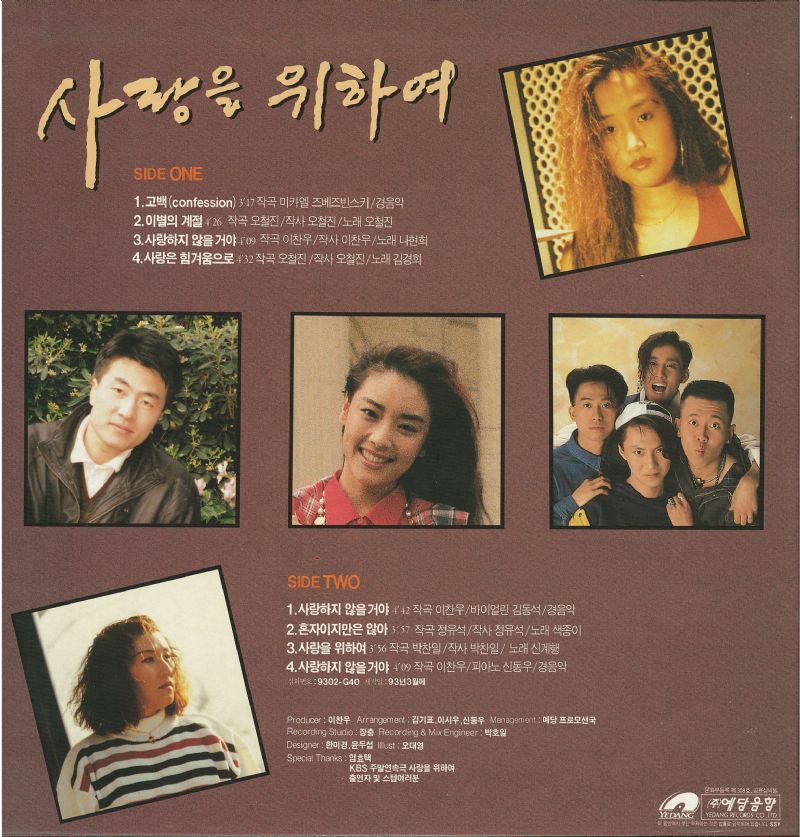
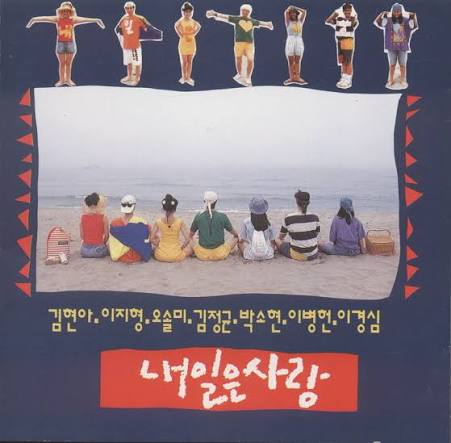
The song later appeared on Love and Peace’s fourth album (1989) before being re-recorded by Light & Salt for the duo’s debut album in 1990, becoming the definitive version known today.
Rediscovered by a New Generation
More than three decades later, the song found new audiences through reinterpretations by artists including TXT (Tomorrow X Together), introducing its timeless melody to younger listeners.
Key Information
| Category | Details |
|---|---|
| Drama Title | The Fairy of Shampoo (샴푸의 요정) |
| Broadcast Date | November 6, 1988 |
| Series | MBC Best Theater |
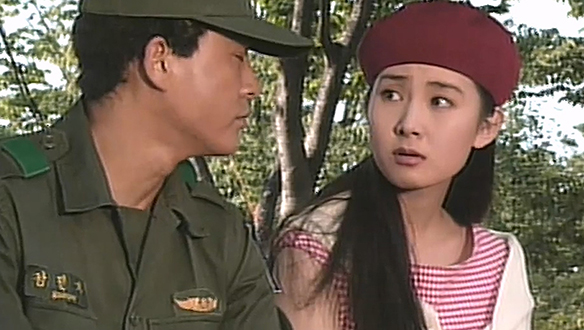
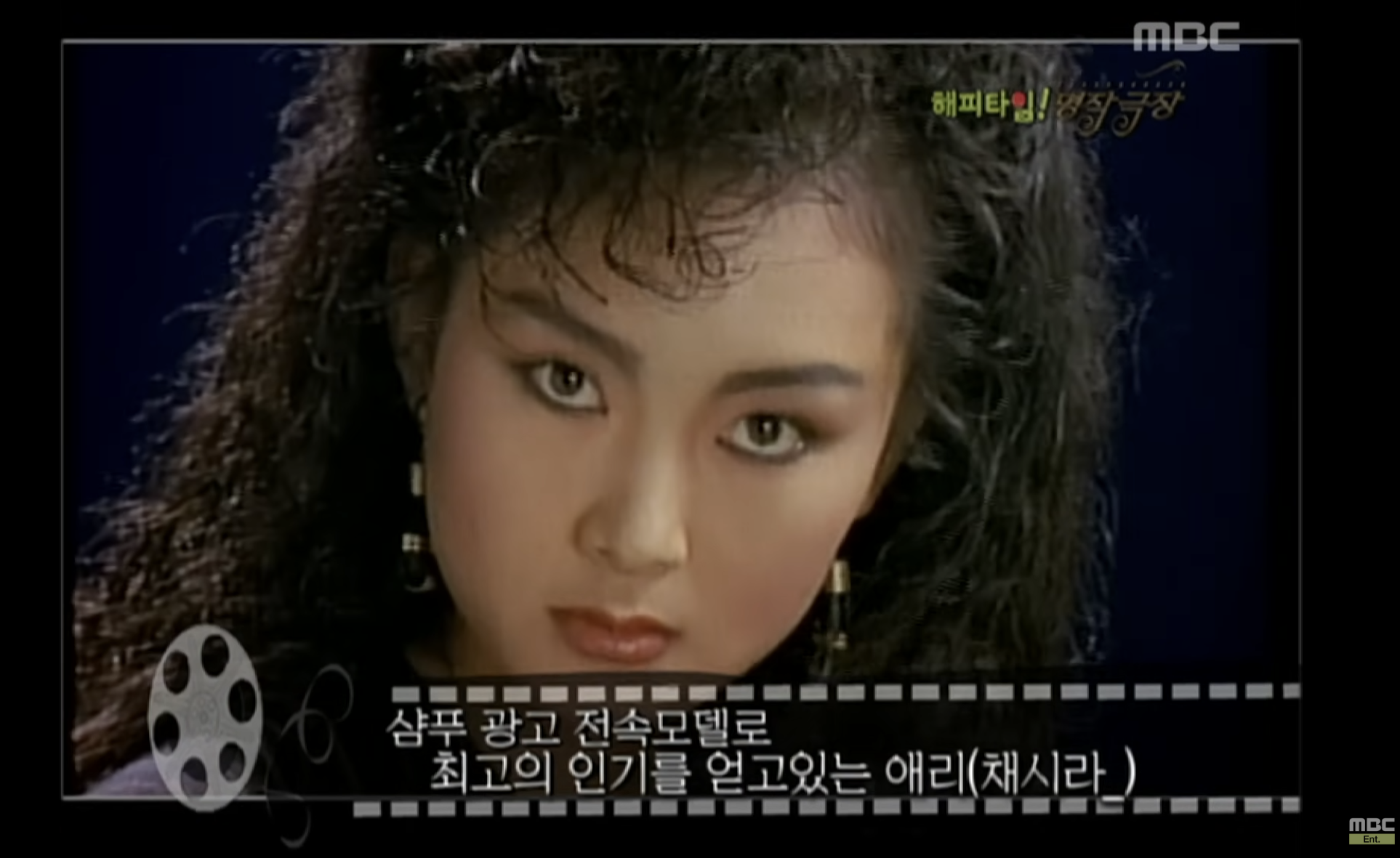
| Main Cast | Hong Hak-pyo, Chae Si-ra, Yoon Seok-hwa |
| Theme Song | “The Fairy of Shampoo” |
| Writer / Composer | Jang Ki-ho |
Drama Synopsis
🎥 MBC Best Theater – “The Fairy of Shampoo” (1988)
Set inside a newly established advertising agency, The Fairy of Shampoo explores the aspirations, relationships, and everyday struggles of young professionals navigating Seoul’s rapidly modernizing urban landscape.
Blending reality with fantasy, the story follows characters whose admiration for a glamorous shampoo model reflects the dreams and ideals of a generation experiencing South Korea’s changing consumer culture during the late 1980s.
Its refined visual style and understated storytelling gave the drama a uniquely contemporary atmosphere that distinguished it from many television productions of its time.
The Theme Song That Became a Korean Classic
🎥 Light & Salt – “The Fairy of Shampoo” Stage Performance Collection (KBS Archives)
One of the drama’s most enduring legacies is its theme song, “The Fairy of Shampoo.”
Written and composed by Jang Ki-ho, the song was created specifically as the theme for the 1988 MBC drama. With its dreamy synthesizers, sophisticated bass lines, and smooth melodies, it perfectly complemented the drama’s elegant urban aesthetic.
Following the drama’s broadcast, the song was released on Love and Peace’s fourth album in 1989. A year later, after Jang Ki-ho and Park Sung-sik formed the jazz-pop duo Light & Salt, they re-recorded the song for the group’s debut album (1990). This version became the definitive recording remembered by generations of listeners.
Today, the song is widely regarded as one of the defining works of Korean city pop and remains Light & Salt’s signature recording.
Why It Still Matters Unlike many television themes of its era, The Fairy of Shampoo developed a life far beyond the drama itself.
Its sophisticated blend of jazz, funk, soft rock, and city pop helped shape the sound of Korean popular music during the late 1980s and early 1990s. Decades later, the song continues to inspire musicians and listeners alike, demonstrating how a television soundtrack can transcend its original medium.
A New Life Through K-pop Interest in The Fairy of Shampoo has continued across generations through numerous reinterpretations.
Among the most internationally recognized is the 2020 remake by TXT (Tomorrow X Together), which reimagined the song with contemporary R&B and dream-pop influences while preserving the nostalgic atmosphere of the original.
| 🎥 TOMORROW X TOGETHER – “Fairy of Shampoo” | TXT COMEBACKSHOW (2020) |
The remake introduced one of Korea’s classic drama songs to a global audience, illustrating how music from the late 1980s continues to resonate with modern K-pop fans.
Legacy
Although The Fairy of Shampoo was broadcast as a single television drama in 1988, its influence has extended far beyond its original runtime.
The drama introduced a theme song that would evolve into one of Korea’s most beloved popular songs, while its sophisticated visual style anticipated the urban sensibilities that would later define many Korean dramas of the 1990s.
Today, both the drama and its soundtrack remain enduring cultural touchstones, remembered for their timeless elegance and lasting contribution to Korean television and popular music.
Curator’s Note
As the curator of K-pedia, there are countless Korean dramas and soundtracks that I have researched over the years. Yet The Fairy of Shampoo occupies a uniquely personal place in my collection.
I first watched the drama as a child, and even now I can vividly remember the feeling it left behind. There was something quietly magical about its atmosphere—the elegant cinematography, the dreamlike mood, and above all, the music. Long before I understood what “city pop” meant, I found myself returning to this drama simply because of how it made me feel.
Over the years, I have revisited The Fairy of Shampoo many times, collecting notes about the drama, its soundtrack, and the people who created it. While countless artists have interpreted the song in their own way—including modern K-pop acts that introduced it to a new generation—I always find myself returning to the original recordings. Their warm analog sound and understated elegance still feel remarkably fresh decades later.
For me, The Fairy of Shampoo is more than a memorable television drama. It is a reminder that the most enduring soundtracks are not merely songs accompanying a story—they become part of our own memories as well.