From One Theme Song to the OST Part System
Today, Korean drama soundtracks are released in multiple parts throughout a series.
A romance begins, and a new song is released.
A heartbreaking farewell arrives, and another ballad follows.
By the end of a modern K-drama, its soundtrack may include more than ten original songs, each tied to different characters and emotions.
For today’s viewers, this format feels completely natural.
But Korean drama music did not always work this way.
For decades, a single melody defined an entire television series. Long before streaming platforms and digital music services, one unforgettable theme song was enough to become inseparable from a drama and the memories of those who watched it.
The evolution of Korean drama OSTs is, in many ways, the evolution of Korean television itself.
Before the Trendy Drama Era (Before 1992)
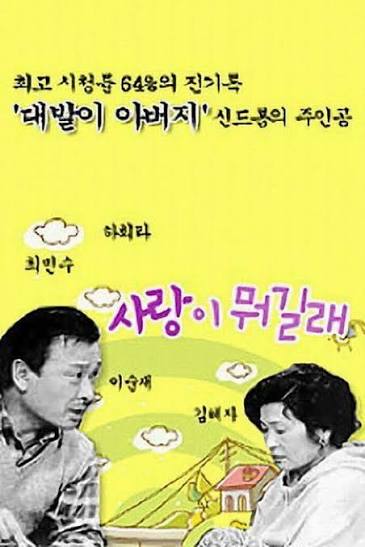
Before the early 1990s, Korean television was dominated by long-running family dramas, historical epics, and socially themed series.
Productions often ran for 30 to 60 episodes, while some continued for years. These dramas were designed for family viewing, with parents, grandparents, and children gathering around the television each evening.
Music certainly mattered, but it served a different purpose.
Most dramas featured a single opening or ending theme that remained unchanged throughout the entire broadcast. Rather than existing as an independent product, the music functioned as part of the drama’s identity.
There was little distinction between a television theme song and what we now recognize as an OST.
The Rise of the Trendy Drama
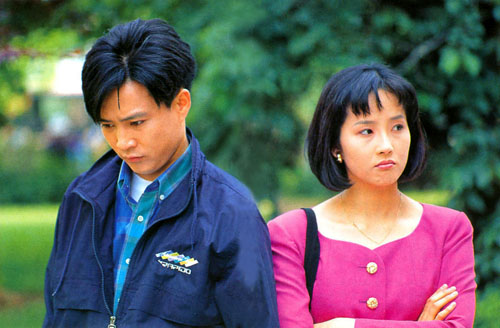
Everything began to change in 1992.
Jealousy (질투) introduced a fresh style of storytelling that reflected the lives of young urban professionals. Instead of focusing on large families or historical events, it centered on romance, friendships, careers, and modern city life.
Its stylish fashion, contemporary dialogue, and faster pacing helped define what became known as Korea’s “trendy drama” era.
Although Jealousy did not single-handedly invent shorter television dramas, it became one of the landmark productions that shifted Korean television toward younger audiences and more cinematic storytelling.
The movement quickly expanded with a remarkable succession of influential dramas:
- Love Is in Your Embrace (1994)
- Sandglass (1995)
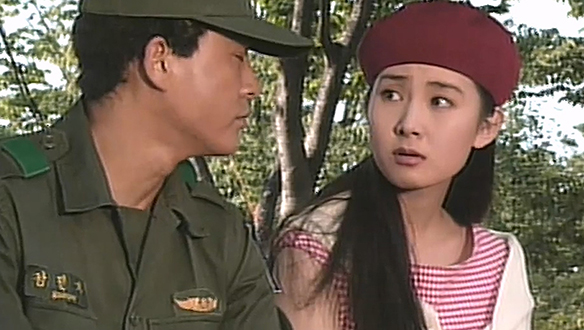
- First Love (1996)
- Star in My Heart (1997)
These series became cultural phenomena.
They shaped fashion trends, launched acting careers, influenced advertising, and transformed television music into an essential part of the viewing experience.
When One Song Defined an Entire Drama
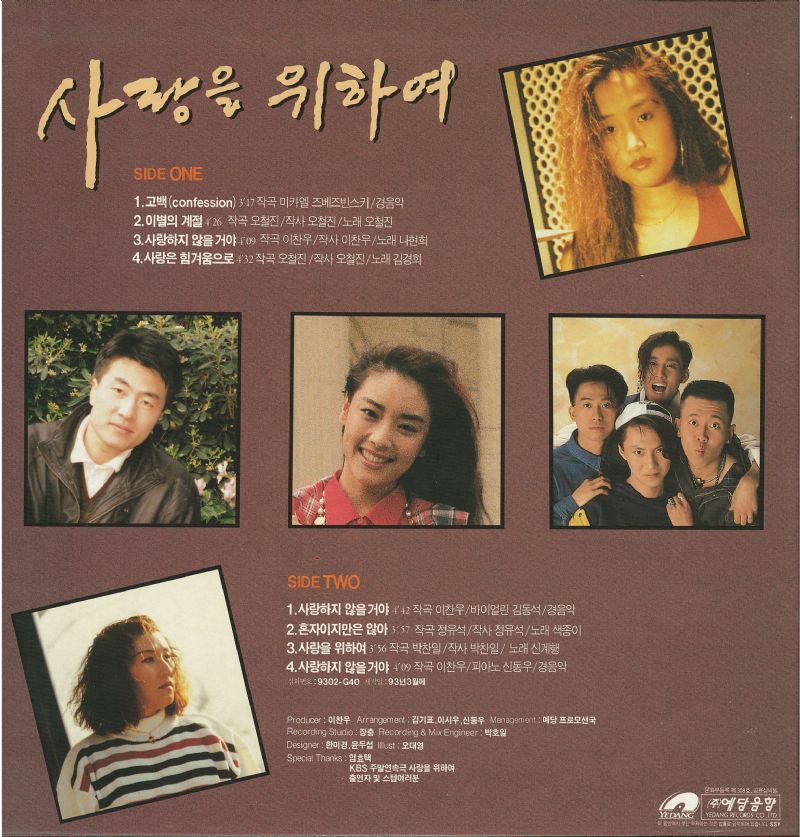
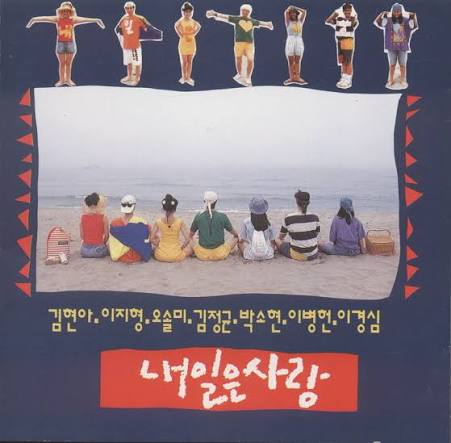
Throughout the 1990s, Korean dramas were typically remembered through one defining piece of music.
Sometimes it was an original Korean song written specifically for the series.
Sometimes it was a classical performance.
Sometimes it was even an existing foreign recording that became permanently associated with the drama after its broadcast.
Unlike today’s productions, dramas rarely featured numerous original songs.
Instead, a single melody carried the emotional weight of the entire story.
Even today, many Korean viewers recognize these songs within seconds, immediately recalling the characters, scenes, and emotions they once experienced.
The soundtrack was not simply background music—it became the drama’s signature.
The Birth of the OST Industry
By the late 1990s, Korean drama music had begun to evolve into its own commercial industry.
OST albums were no longer promotional materials released alongside television broadcasts. They became successful music releases in their own right.
Dramas such as Autumn in My Heart, Winter Sonata, and All In demonstrated that audiences were willing to purchase soundtrack albums simply because they loved the music.
At the same time, the Korean Wave (Hallyu) began spreading across Asia.
As Korean dramas reached international audiences, their music traveled with them, introducing millions of viewers to Korean artists through television.
OSTs had become more than supporting material.
They had become an important part of Korean popular music.
The OST Part Era
Another major transformation arrived during the 2010s.
Rather than releasing one complete soundtrack after a drama finished airing, production companies began releasing songs throughout the broadcast.
This format soon became standard:
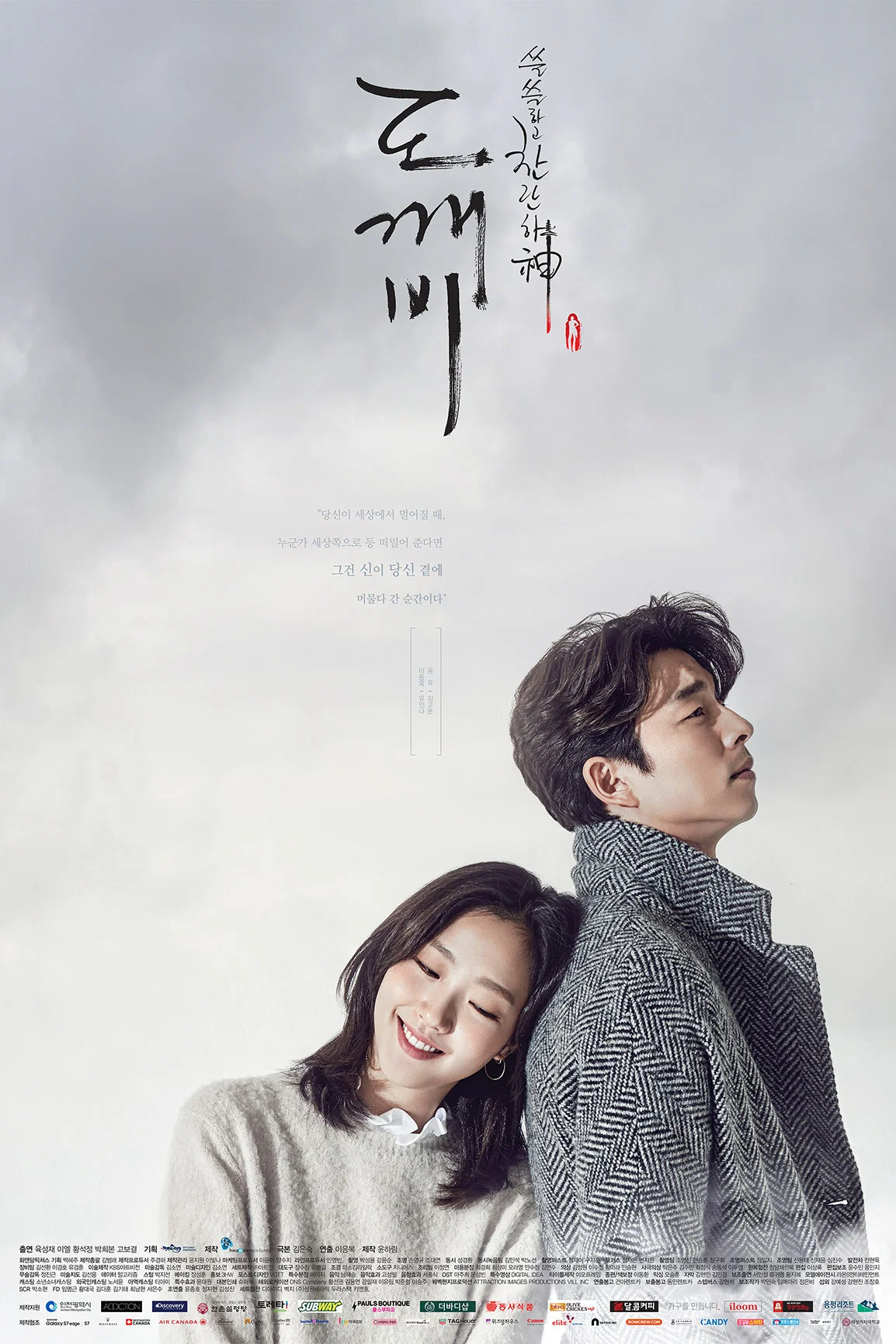
- OST Part 1
- OST Part 2
- OST Part 3
- OST Part 4
Each release accompanied a new emotional stage of the story.
A love story might introduce a romantic ballad, while a dramatic turning point would be paired with a completely different artist and musical style.
Streaming platforms accelerated this trend, allowing new songs to reach audiences immediately after appearing in an episode.
Today, Korean drama OSTs are planned with the same care as the dramas themselves.
More Than Background Music
The history of Korean drama OSTs reflects the history of Korean television.
As dramas became shorter, faster, more cinematic, and more global, their music evolved alongside them.
What began as a single unforgettable theme song eventually became a sophisticated soundtrack industry that reaches listeners around the world.
Understanding Korean drama music is therefore not simply about songs.
It is about understanding how Korean television, popular music, and popular culture have grown together over the past four decades.
Timeline of Korean Drama OST Evolution
| Period | Television | Music |
|---|---|---|
| Before 1992 | Long-running family dramas and historical series dominated Korean television. | Most dramas featured a single opening or ending theme that remained unchanged throughout the series. |
| 1992–1996 | The rise of trendy dramas led by Jealousy, followed by Love Is in Your Embrace, Sandglass, and First Love. | One iconic song became closely associated with an entire drama, defining its emotional identity. |
| 1997–2003 | The early Korean Wave expanded the popularity of television dramas across Asia. | OST albums became commercially successful and developed into an independent music market. |
| 2004–2012 | Korean dramas gained wider international recognition. | Soundtracks increasingly featured multiple original songs by different artists. |
| 2013–Present | Global streaming platforms transformed K-dramas into worldwide hits. | The “OST Part” release system became the industry standard, with songs released throughout a drama’s broadcast. |
What’s Next
In the following articles, we’ll explore each era in greater depth, highlighting the dramas, songs, composers, and artists that shaped the history of Korean television music.
From the unforgettable theme songs of the 1990s to today’s globally streamed soundtracks, the story of Korean drama OSTs is also the story of modern Korean popular culture.