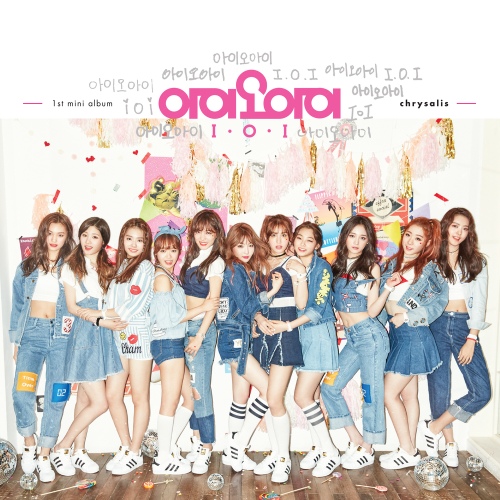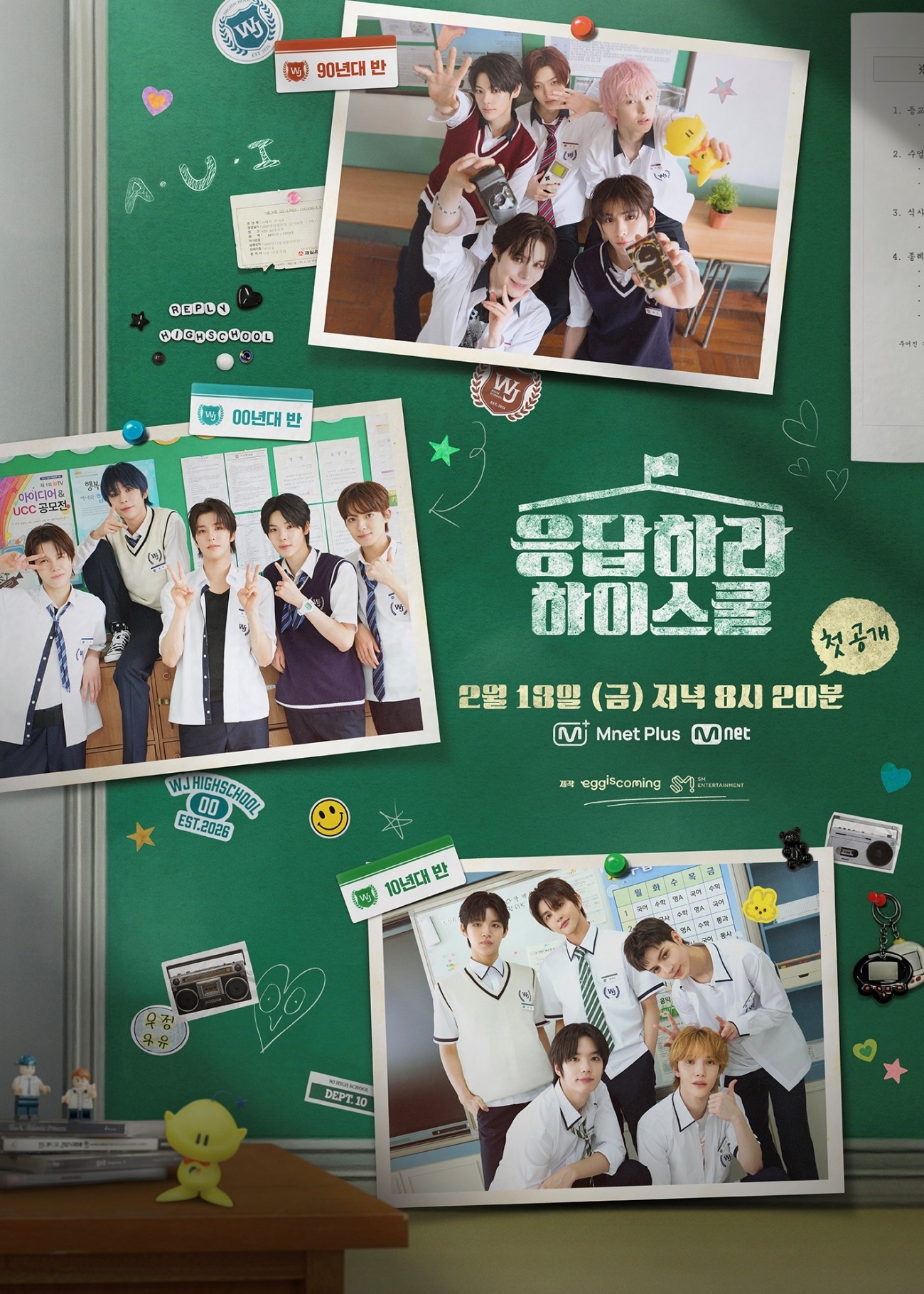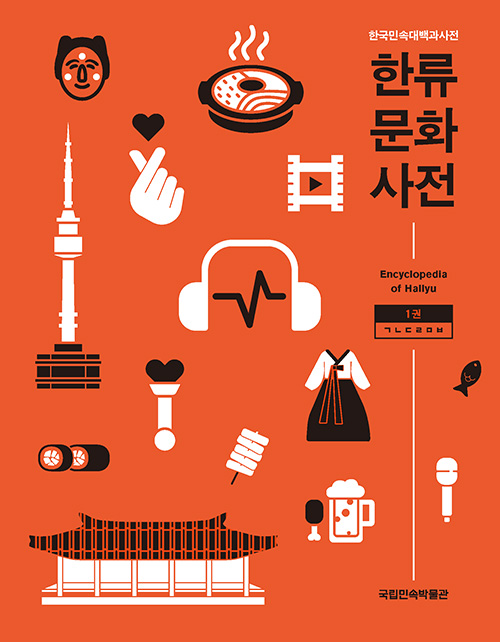
“I desire that my nation become the most beautiful nation in the world. By this, I do not mean the wealthiest or the most powerful nation… I desire that our nation possess the highest degree of noble culture.”
More than seventy years ago, Kim Gu (1876–1949), one of Korea’s most respected independence leaders and a central figure in the country’s struggle for independence during Japanese colonial rule, wrote these words in his essay My Desired Nation (내가 원하는 우리나라). Writing in 1947, as Korea faced the challenges of rebuilding after liberation, he envisioned a nation whose greatest contribution to the world would come not through military strength or economic power, but through the enduring influence of culture.
Kim Gu could never have imagined today’s global popularity of Korean culture. Yet his belief in the power of culture offers a fitting introduction to the story of Hallyu (한류), or the Korean Wave.
Welcome to Part 1 of our five-part series exploring the history, evolution, and global significance of the Korean Wave.
Post Highlights
Culture Before Commerce
Long before streaming platforms and K-pop stadium tours, Korean cultural leaders believed that creativity and culture—not military or economic power—could become Korea’s greatest contribution to the world.
The Meaning & Origin of “Hallyu”
Coined by Chinese media in 1999, the term Hallyu originally described the rapid spread of South Korean popular culture across Chinese-speaking regions.
Discovered Before It Was Promoted
The Korean Wave did not begin as a government project. It first gained popularity through the work of private creators and the enthusiasm of audiences across Asia.
A Complete Lifestyle Phenomenon
What began with television dramas and music has grown into a global cultural movement encompassing film, beauty, fashion, food, webtoons, gaming, and language learning.
The Korean Wave (Hallyu): A Five-Part Series
| Part | Title & Key Focus Area | Status |
|---|---|---|
| Part 1 | What Is Hallyu? The Birth of Korea’s Cultural Wave | Currently Reading |
| Part 2 | The Rise of Korean Dramas: The First Face of Hallyu | Upcoming |
| Part 3 | From Seo Taiji to BTS: The Evolution of K-pop | Upcoming |
| Part 4 | Beyond Entertainment: How Hallyu Became a Lifestyle | Upcoming |
| Part 5 | The Legacy of Hallyu: Culture Without Borders | Upcoming |
Chapter 1: What Is Hallyu?
The term Hallyu (한류) literally means “Korean Wave.” It refers to the global spread and growing popularity of South Korean culture, media, and entertainment.
When the term first emerged in the late 1990s, it primarily described the popularity of Korean television dramas and pop music throughout East and Southeast Asia. Over the following three decades, however, Hallyu expanded far beyond its original meaning.
Today, Hallyu is no longer limited to K-dramas and K-pop. It encompasses feature films, webtoons, esports, K-beauty, fashion, Korean cuisine, and Korean language education, forming one of the world’s most influential contemporary cultural movements.
Chapter 2: How Did the Word “Hallyu” Begin?
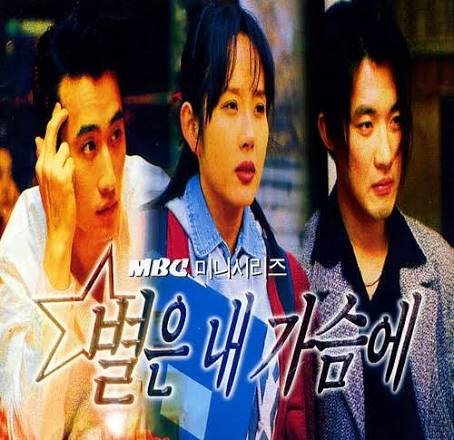
The word “Hallyu” did not originate in South Korea.
During the late 1990s, Korean television dramas such as What Is Love? and Star in My Heart, together with first-generation idol groups like H.O.T., became unexpectedly popular in mainland China, Taiwan, and Hong Kong.
In 1999, Chinese journalists began using the term Hánliú (韓流)—literally meaning “Korean Wave”—to describe the rapid influx of Korean popular culture into the region. The expression also echoed the Chinese word for a cold wave (寒流), suggesting that Korean culture had swept across the region with surprising speed and impact.
Rather than rejecting the label, Korean media and cultural institutions embraced Hallyu as a symbol of the country’s growing cultural influence.
Chapter 3: How Did Hallyu Begin?
Perhaps the most important fact about Hallyu is this:
Hallyu was discovered before it was promoted.
Contrary to a common misconception, the Korean Wave was not created through a government-led cultural strategy. It emerged organically during the 1990s, when South Korea’s rapidly developing media industry produced television dramas, music, and films that resonated strongly with audiences at home.
As these works were exported throughout East Asia—often at affordable prices—they attracted enthusiastic audiences abroad. Viewers connected with the emotional storytelling of Korean dramas, while Korean popular music stood out through its energetic performances and polished production.
Only after Korean cultural content had already achieved commercial success overseas did the South Korean government begin investing in cultural industries, supporting creative education, strengthening infrastructure, and promoting Korean culture internationally. In other words, government support followed success—it did not create it.
Chapter 4: More Than Music and Dramas
What began with television dramas and cassette tapes has since expanded into a diverse ecosystem of cultural industries, including film, webtoons, gaming, beauty, fashion, food, and language education. Together, these fields have transformed Hallyu from an entertainment trend into a global cultural lifestyle.
| Cultural Domain | Representative Media & Expression |
|---|---|
| Television Dramas | From early romance melodramas like Winter Sonata to global streaming hits like Squid Game. |
| Popular Music (K-Pop) | From 1990s pioneers like Seo Taiji and Boys and Kim Gun-mo to global stadium acts like BTS and Blackpink. |
| Feature Film | From early blockbusters like Shiri and Oldboy to Oscar-winning films like Parasite. |
| Webtoons & Gaming | Digital vertical comics and global gaming franchises providing intellectual property for screen adaptations. |
| Beauty & Fashion | Skincare innovations (K-Beauty) and street fashion trends set by Korean celebrities. |
| Food & Lifestyle | Global appreciation for Korean culinary culture (K-Food), from Kimchi to viral street foods. |
| Language | Worldwide growth in Korean language learning through universities and digital platforms. |
Each of these areas will be explored in greater depth throughout the remaining parts of this series.
Looking Ahead
In Part 2, we turn to the medium that first introduced Korean culture to millions of viewers across Asia: television dramas. Long before K-pop became a global phenomenon, K-dramas had already opened the door to the Korean Wave, laying the foundation for everything that followed.
Curator’s Note
Today, Hallyu is often associated with sold-out concerts, blockbuster dramas, and record-breaking streaming numbers. Yet its origins were far more modest. It began with stories, songs, and films that resonated with audiences beyond Korea’s borders—not because they were promoted as part of a national strategy, but because people genuinely connected with them.
What makes Hallyu remarkable, then, is not simply how far Korean culture has traveled, but the order in which that journey happened. Audiences came first. Institutions followed. Understanding that sequence is essential to understanding the Korean Wave itself.
This series traces that journey from its earliest beginnings to its global influence, exploring not only how Hallyu grew, but also why it continues to evolve.