Some artists reflect the trends of their era. Others create a voice so extraordinary that it transcends time itself. Lee Sun-hee belongs to the latter.
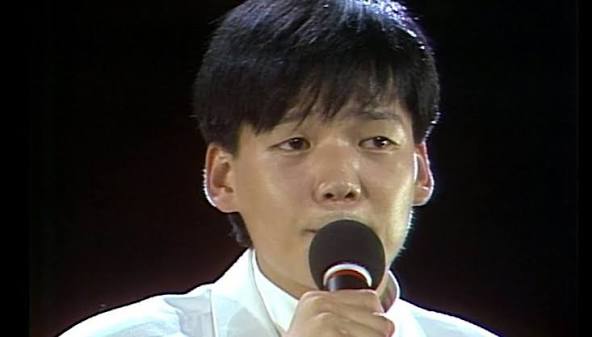
In August 1984, a young university student wearing short hair, modest clothing, and oversized glasses stepped onto the stage of the MBC Riverside Song Festival. She looked nothing like the glamorous female pop stars of the era. Yet the moment she began to sing, audiences across South Korea witnessed the arrival of one of the greatest vocalists in the nation’s history.
Over the next four decades, musical styles evolved, physical records gave way to digital streaming, and entire generations of artists rose and fell. Through every change, Lee Sun-hee remained one of the most respected and enduring figures in Korean popular music.
Her story is more than one of lasting success. It is the story of an artist who proved that exceptional vocal artistry, unwavering authenticity, and emotional sincerity can transcend trends and resonate across generations.
The Birth of a National Star: “To J”
Lee Sun-hee first gained national attention at the 1984 MBC Riverside Song Festival as the lead vocalist of the university duo Act 4, Scene 5 (4막 5장).
At the time, she was virtually unknown. By the end of the evening, she had become one of the country’s brightest new stars.
Her performance of “To J” (J에게) earned the festival’s Grand Prize and immediately captured public attention. Audiences were drawn not by elaborate styling or choreography, but by the remarkable clarity, power, and emotional depth of her voice.
The success of “To J” marked more than the arrival of a promising new singer. At a time when female performers were often expected to conform to conventional beauty standards, Lee Sun-hee demonstrated that extraordinary musicianship alone could command the nation’s attention.
The “Lee Sun-hee Syndrome” and the Golden Era
Following her breakthrough, Lee Sun-hee became one of the defining artists of the 1980s.
Many of her albums achieved major commercial success, establishing her among Korea’s best-selling artists of the decade. Songs such as “Ah! The Good Old Days” (아! 옛날이여) and “Algo Sipeoyo” (알고 싶어요) showcased her extraordinary vocal range, effortlessly moving between soaring pop-rock anthems and deeply expressive ballads.
Her concerts attracted enormous audiences, while her signature short hairstyle and oversized glasses inspired countless young fans, giving rise to what the media called the “Lee Sun-hee Syndrome.”
What truly distinguished Lee, however, was her remarkable versatility. She possessed the explosive power required for dramatic rock-influenced songs while maintaining the delicate emotional control essential to intimate ballads—a combination rarely matched by her contemporaries.
Remaining Relevant Through a Changing Industry
The 1990s brought sweeping changes to Korean popular music.
Dance music, hip-hop, and agency-trained idol groups transformed the industry’s sound and visual identity. Many celebrated vocalists of the previous decade found it difficult to adapt to the rapidly changing market.
Lee Sun-hee chose a different path.
Rather than pursuing short-lived commercial trends, she focused on artistic growth, taking on greater roles as a songwriter, composer, and producer while continually refining her vocal technique.
As her career matured, the explosive energy of her early performances evolved into a more nuanced and emotionally sophisticated style, allowing her to remain respected by both critics and audiences alike.
A Second Golden Age
Instead of becoming simply a nostalgic icon of the 1980s, Lee Sun-hee entered a remarkable second chapter in her career during the 2000s.
In 2005, she wrote and composed “Fate” (인연), a song that later became closely associated with the blockbuster film King and the Clown. Its haunting melody and emotional depth resonated deeply with audiences, becoming one of the signature works of her later career.
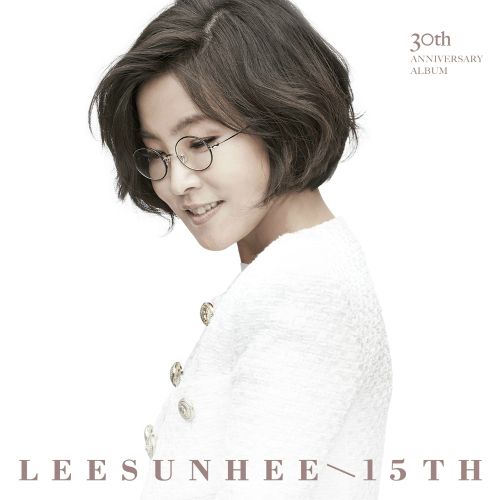
Nearly a decade later, she celebrated her 30th anniversary with “Geujung-e Geudaereul Manna” (그중에 그대를 만나). The heartfelt ballad introduced her music to a younger generation while reaffirming her reputation as one of Korea’s greatest interpreters of emotion.
Why Lee Sun-hee Still Matters
Lee Sun-hee’s career mirrors the evolution of modern Korean popular music itself.
From the college song festival movement of the 1980s to today’s digital streaming era, she has remained a constant presence—not by following trends, but by consistently delivering performances of extraordinary vocal excellence and emotional honesty.
More than four decades after her debut, Lee Sun-hee is remembered not simply as a legendary singer, but as one of the enduring standards by which vocal excellence in Korean popular music continues to be measured.
Essential Listening
• “To J” (J에게) [1984]
The landmark debut that introduced one of Korea’s greatest vocal talents and launched an extraordinary career.
• “Ah! The Good Old Days” (아! 옛날이여) [1985]
Originally released as “Geuttaewa Jigeum” (그때와 지금) by singer Jin Pil in 1983, Lee Sun-hee’s 1985 reinterpretation became the definitive version for many listeners, showcasing her extraordinary vocal power and emotional intensity.
• “Algo Sipeoyo” (알고 싶어요) [1986]
A beautifully expressive ballad highlighting her warmth, technical precision, and emotional delivery.
• “Hanbatang Useum-euro” (한바탕 웃음으로) [1989] A beloved chart-topping hit that capped off her golden era in the 1980s with uplifting melody and powerhouse vocals.
• “Fate” (인연) [2005] One of the signature songs of Lee’s later career, widely associated with the enduring popularity of King and the Clown.
• “Fox Rain” (여우비) [2010] An enchanting soundtrack masterpiece that bridged Korean traditional emotional nuances with a global K-drama fanbase.
• “Geujung-e Geudaereul Manna” (그중에 그대를 만나) [2014] A modern classic that introduced Lee’s music to a new generation while reaffirming her status as one of Korea’s most respected vocalists.